ReLISA – Restoring Landscapes in South Africa

Is a five-year project (2024–2029) funded by the German Federal Ministry for the Environment, Climate Action, Nature Conservation and Nuclear Safety (BMUKN) through the International Climate Initiative (IKI).

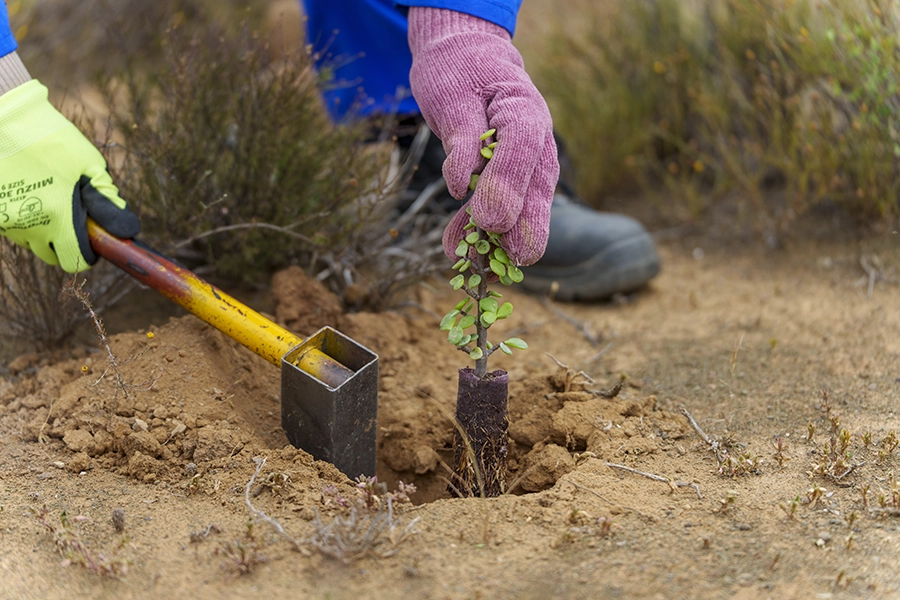
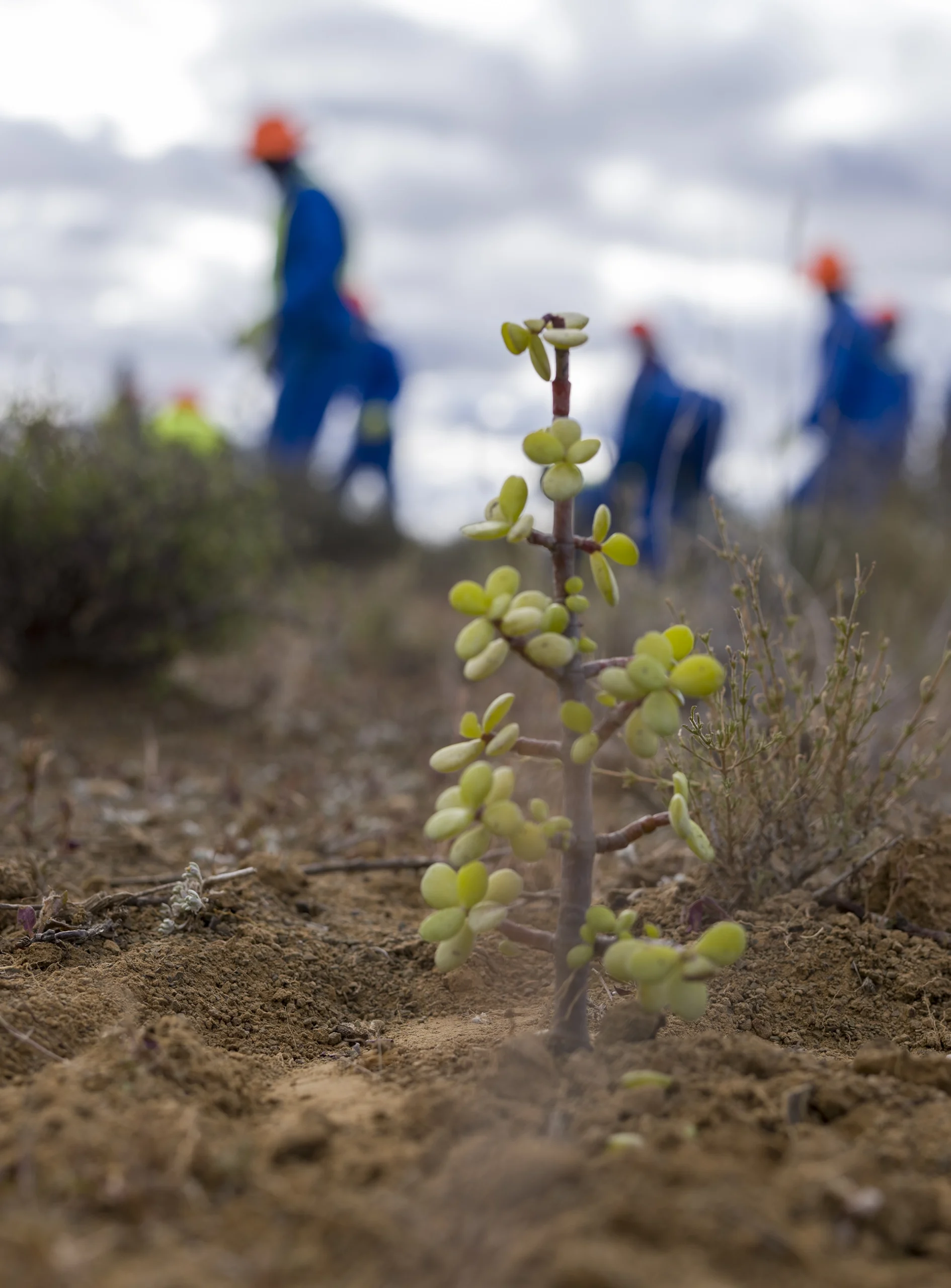
The project addresses degradation across three critical biomes – grassland, savanna, and thicket – through nature-based solutions that deliver climate resilience, biodiversity protection, and sustainable livelihoods.

The objective of ReLISA is to address the degradation of grassland, savanna and thicket biomes in South Africa by making the economic case for restoration and creating the enabling conditions essential to mobilise investment at scale.


The intended outcome is that proven nature-based restoration solutions are implemented in grassland, savanna and thicket biomes by closing data gaps on socio-economic and environmental impacts, Measurement, Reporting and Verification (MRV), impact monitoring, and leveraging finance from different private and public sources.


Through transformational, gender-responsive, large-scale restoration, ReLISA will contribute to South Africa’s sustainable economic development, land degradation neutrality, climate and biodiversity targets and global development goals, including the SDGs, Rio Conventions and UN Decade on Ecosystem Restoration. ReLISA will also enhance the provision of vital ecosystem services – in particular hydrological services, carbon sequestration, soil health and biodiversity – and enhance livelihoods of local communities and farmers in strategic water source and other priority areas.

Longlisted sites in 3 biomes
0
3rd Party Funding
0 m
degraded areas restored
0 ha

Our Project Commitments

ReLISA works across South Africa’s savannas, grasslands, and thickets to restore ecosystems, strengthen communities, and unlock sustainable economic opportunities. By making the economic case for restoration, we mobilize investment to tackle land degradation, biodiversity loss, and water insecurity while driving inclusive growth and climate resilience.

Ecosystem
Restoration

Restoring landscapes at scale to secure biodiversity, water, and livelihoods.

Land Degradation
Neutrality

Halting and reversing degradation to ensure resilient, productive ecosystems.

Climate change adaptation & Mitigation

Harnessing nature-based solutions to buffer communities and reduce emissions.

Ecosystem-based disaster risk reduction

Strengthening landscapes to protect people and economies from droughts, floods, and fires.

Biodiversity conservation & protected area expansion

Safeguarding species and ecosystems through restoration and connectivity.

Gender
Equality

Empowering women as leaders and beneficiaries in restoration and green economies.

Strategic Water source areas

Restoring South Africa’s “water factories” to secure clean and reliable supplies.

Just transition & green jobs

Creating sustainable livelihoods through restoration-driven enterprises.

Monitoring, reporting & verification (MRV)​

Building robust systems to track impact, performance, and accountability.

Private sector
investment mobilization

Unlocking finance to scale restoration through markets and partnerships.

Consortium Partners:

About the ReLISA Consortium

ReLISA is implemented through a consortium of leading national and international partners, coordinated by the United Nations Environment Programme (UNEP). The consortium brings together scientific expertise, conservation action, policy support, and private sector engagement to address land degradation in South Africa’s grassland, savanna, and thicket biomes. Each partner contributes complementary strengths, ensuring that ReLISA delivers impact on the ground while advancing innovation, investment, and sustainability.

UNEP leads the ReLISA consortium and coordinates implementation with BMUKN, IKI and Government of South Africa. It facilitates political and stakeholder engagement, advances natural capital assessments to attract investment, and drives project communications and global visibility.

CSIR leads improvements in South Africa’s systems for monitoring restoration impacts and carbon reporting, while providing scientific expertise on carbon, water, biodiversity, and economic modelling. It also supports government engagement, stakeholder coordination, and communication across the project.

EWT drives grassroots implementation, focusing on strategic water source areas and climate adaptation. It leads restoration in the Soutpansberg, Northern Drakensberg, and Amathole regions, and supports the creation of a new grassland Biosphere Reserve.

UNDP delivers on-the-ground restoration through Sustainable Land Management and rehabilitation, working with local land users and Responsible Parties. It provides project management, technical support, and coordination, drawing on global expertise in sustainable land and development.

UNESCO supports restoration within Biosphere Reserves, including establishing a Water Fund to finance restoration. It also develops sustainability indicators, supports a new grassland reserve nomination, and mobilises additional public funding to strengthen the biosphere network.

C4 EcoSolutions works with Unique to make restoration projects investment-ready by closing data gaps, conducting feasibility studies, and developing bankable projects. It links restoration initiatives to investors and supports scaling through evidence-based approaches.

Unique partners with C4 EcoSolutions to design business models for restoration and mobilise private sector investment. It develops biome-level strategies, assesses environmental and economic impacts, and creates sustainable revenue streams for farmers and communities.

Our Donor

The International Climate Initiative (IKI) is one of the key instruments of the German Federal Government to support international climate action and biodiversity. The IKI supports solution strategies in developing and emerging countries that seek to achieve sustainable change.

Use our interactive map to discover the landscapes that are essential to biodiversity, water security, and climate resilience.

Close Search Window