Home » Our Project Sites » Gauteng » Magaliesberg Biosphere Reserve

Magaliesberg Biosphere Reserve

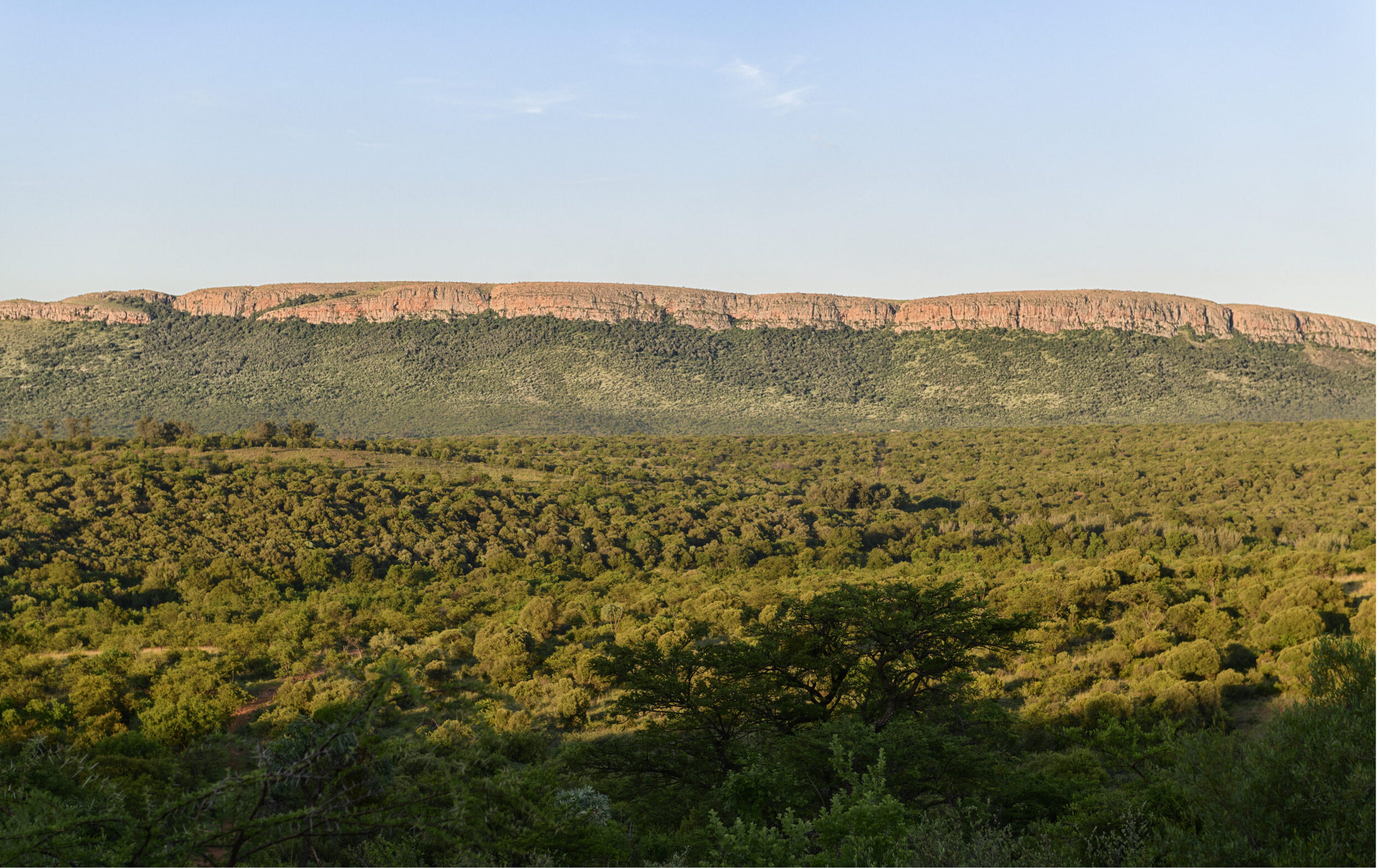
The Magaliesberg Biosphere Reserve is an ancient landscape of mountains, grasslands and cultural heritage that sits at the intersection of conservation, agriculture, mining and urban development. Located within South Africa’s economic heartland, it supports rich biodiversity and provides vital ecosystem services to more than two million people. Yet invasive alien plants, bush encroachment, land degradation and expanding development are placing growing strain on the landscape. Through ReLISA, partners are restoring degraded grazing lands, improving sustainable land management and testing innovative grassland restoration approaches in the Olienhout Conservancy. The goal is to strengthen ecosystem resilience while maintaining the Magaliesberg as a biodiversity refuge and productive working landscape for future generations.

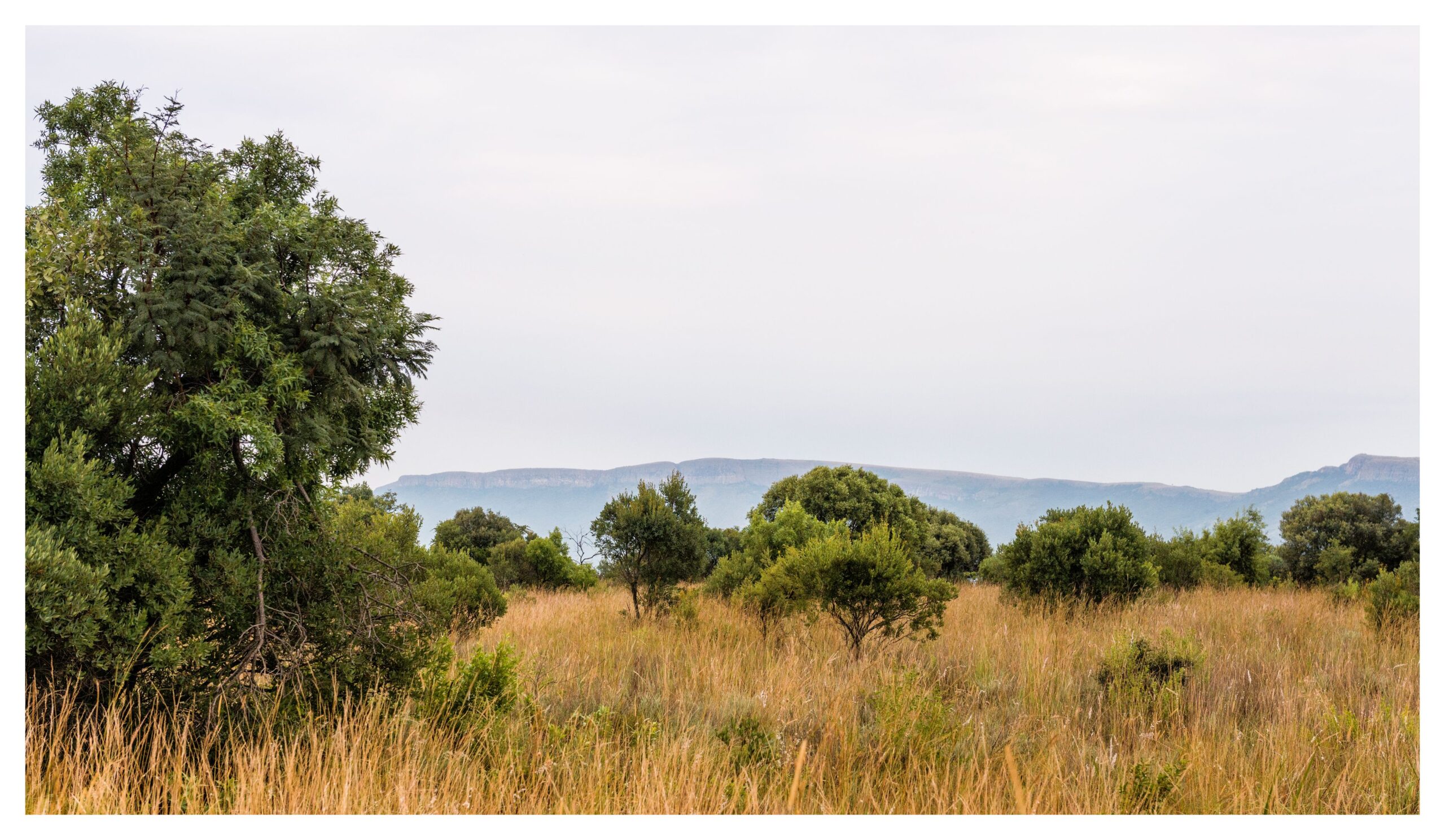
Image credit: Magaliesberg Biosphere Reserve

An Ancient Landscape Shaping the Future

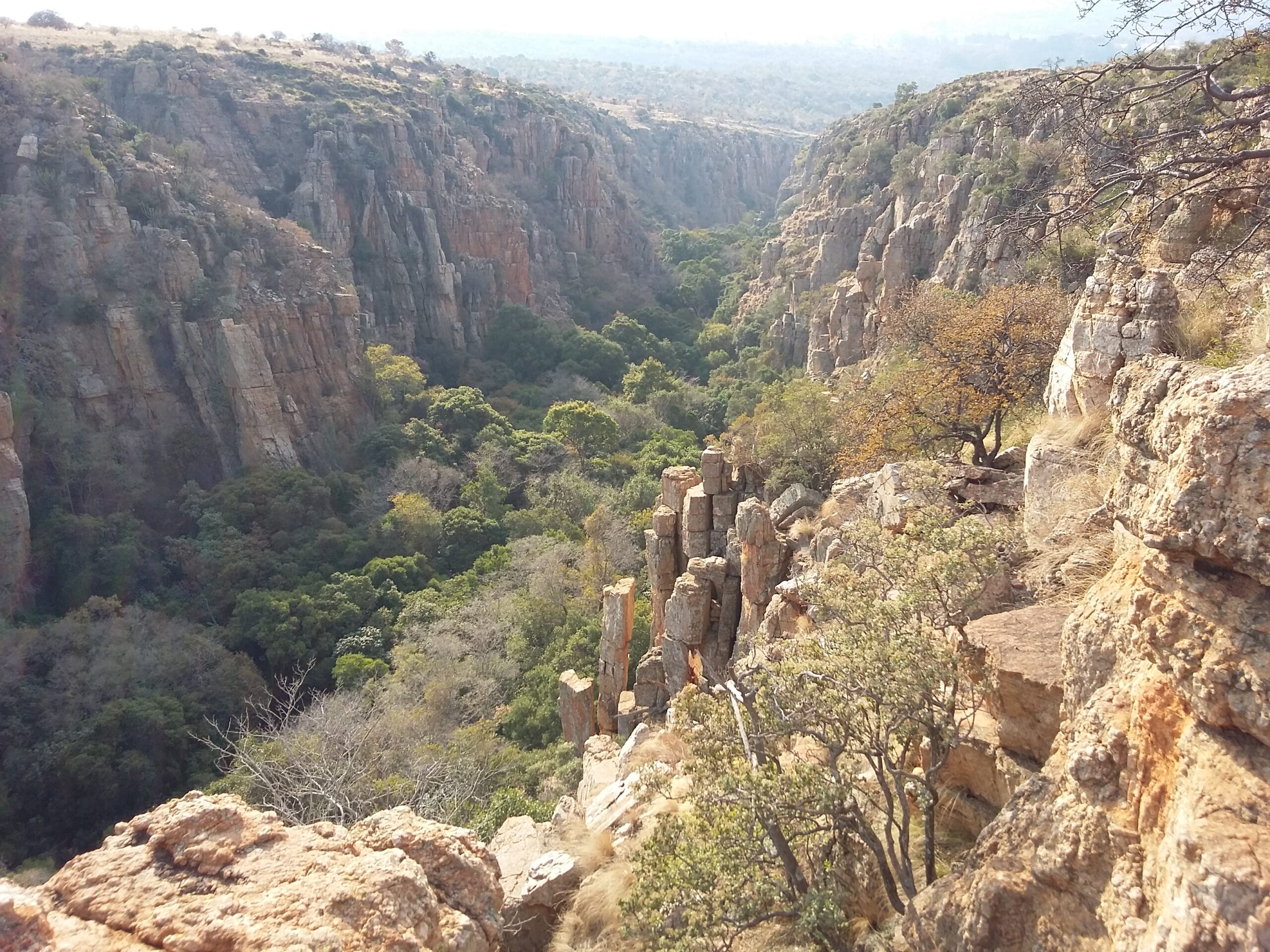
The Magaliesberg Biosphere Reserve is a landscape where natural history, biodiversity and human activity have been intertwined for thousands of years. Recognised as part of UNESCO’s Man and the Biosphere Programme, the reserve encompasses a rich mosaic of mountains, grasslands, agricultural lands, protected areas and human settlements.

Central to the landscape is the Magaliesberg mountain range – one of the oldest exposed geological formations on Earth. For millions of years, these ancient mountains have shaped the surrounding landscape, creating habitats that support diverse plant and animal life while providing valuable ecosystem services for surrounding communities.

Today, the biosphere reserve balances conservation and sustainable development through a network of core, buffer and transition zones. These interconnected landscapes support agriculture, tourism, recreation and local livelihoods while safeguarding biodiversity and ecological processes that are vital to the region’s future. Yet, like many working landscapes across South Africa, the Magaliesberg faces growing environmental challenges that threaten both ecological integrity and long-term land productivity.

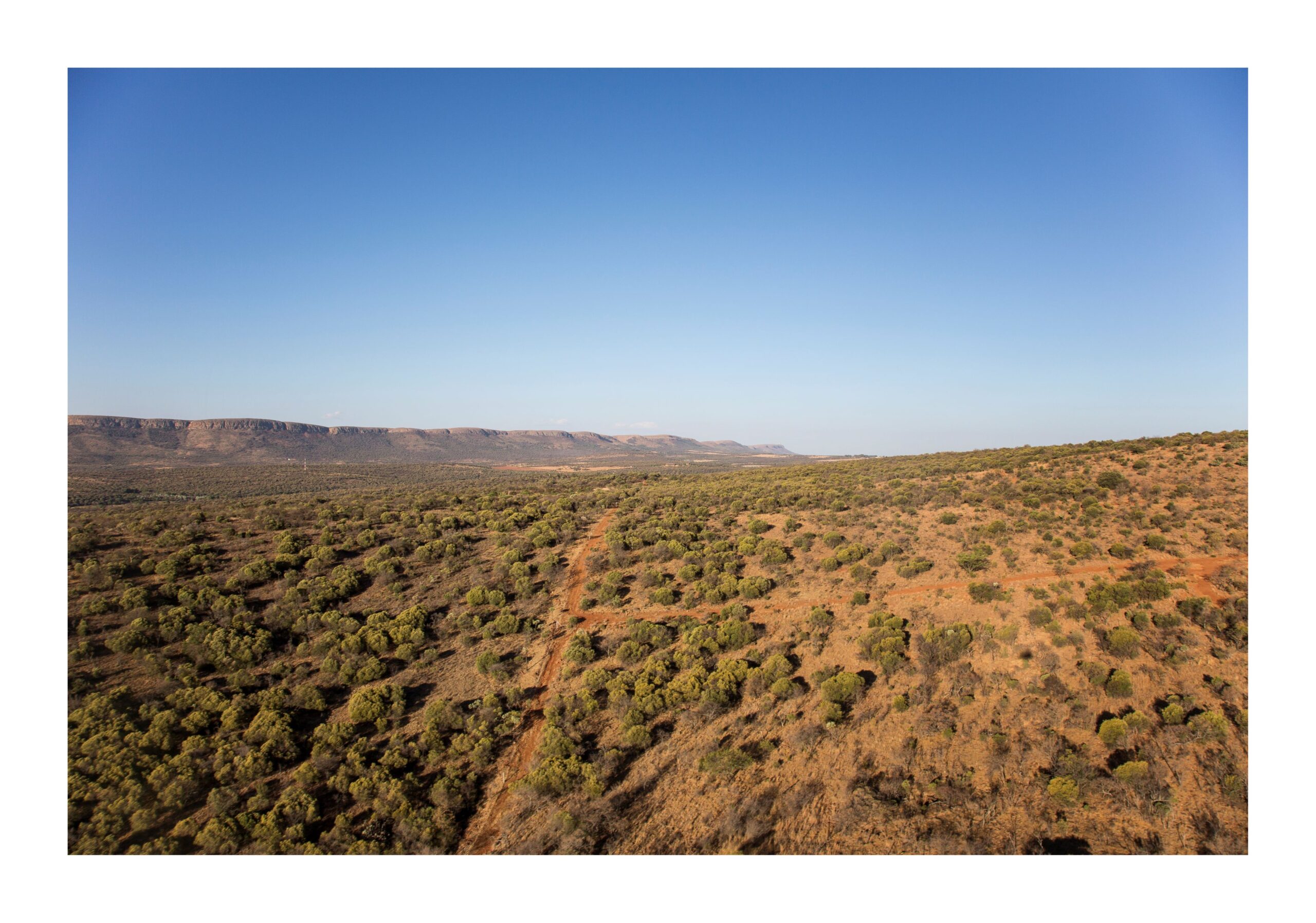
Image credit: Wikimedia/Tracy Robb

The Magaliesberg Biosphere Reserve is a landscape where natural history, biodiversity and human activity have been intertwined for thousands of years. Recognised as part of UNESCO’s Man and the Biosphere Programme, the reserve encompasses a rich mosaic of mountains, grasslands, agricultural lands, protected areas and human settlements.

Central to the landscape is the Magaliesberg mountain range – one of the oldest exposed geological formations on Earth. For millions of years, these ancient mountains have shaped the surrounding landscape, creating habitats that support diverse plant and animal life while providing valuable ecosystem services for surrounding communities.

Today, the biosphere reserve balances conservation and sustainable development through a network of core, buffer and transition zones. These interconnected landscapes support agriculture, tourism, recreation and local livelihoods while safeguarding biodiversity and ecological processes that are vital to the region’s future. Yet, like many working landscapes across South Africa, the Magaliesberg faces growing environmental challenges that threaten both ecological integrity and long-term land productivity.

Why Healthy Grasslands Matter

The grasslands and savanna ecosystems of the Magaliesberg provide far more than scenic beauty. Healthy landscapes help regulate water flows, maintain soil fertility, support biodiversity and sustain productive agricultural systems. They also provide habitat for wildlife, contribute to climate resilience and underpin the tourism economy that attracts visitors to the region.

When these ecosystems become degraded, the consequences extend beyond individual properties or protected areas. Declining vegetation cover, soil erosion and invasive species can reduce agricultural productivity, weaken ecosystem resilience and diminish the benefits that communities derive from the landscape. Restoring ecosystem health is therefore essential not only for biodiversity conservation but also for maintaining the economic and social value of the biosphere reserve.

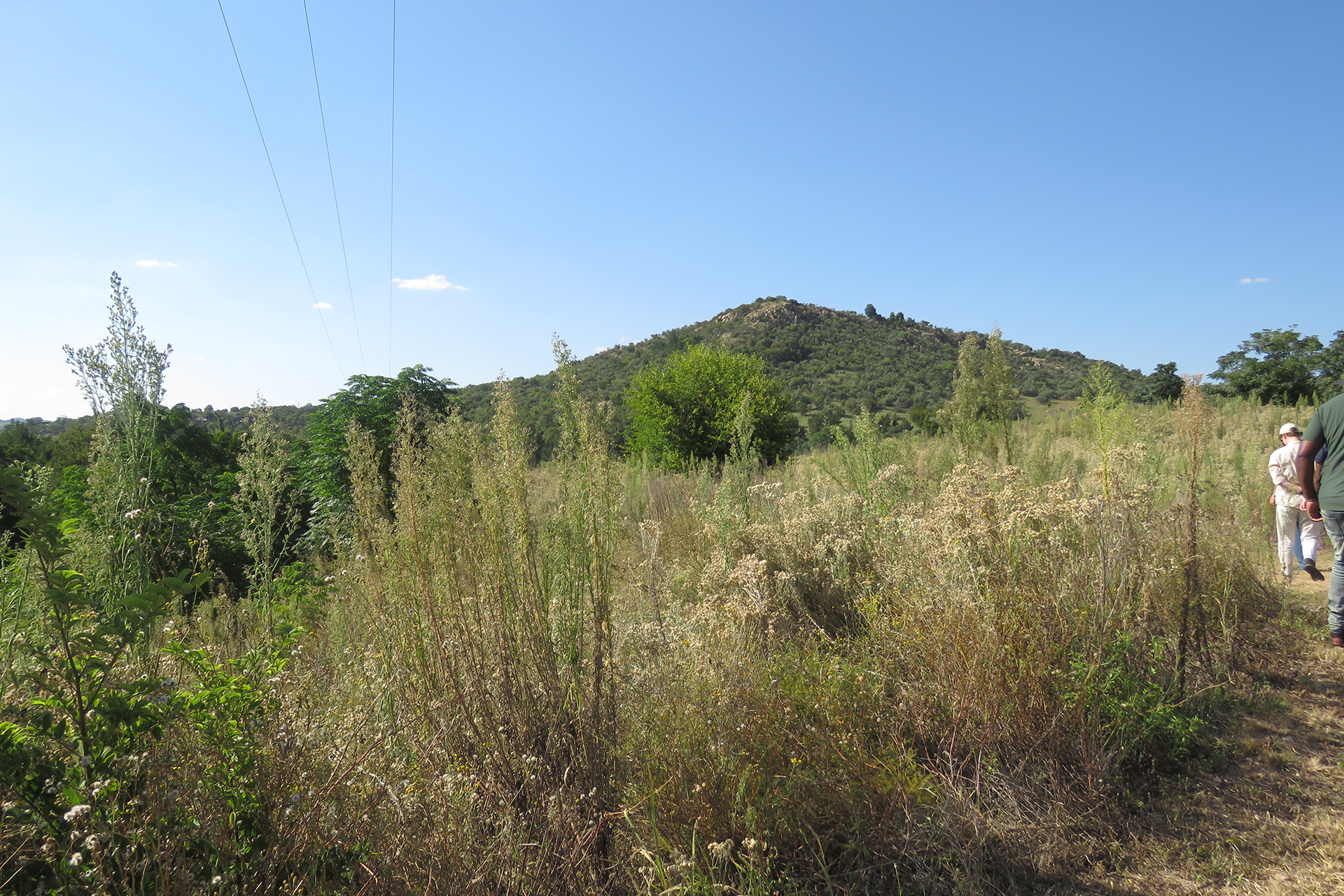
Image: Magaliesberg Biosphere Reserve
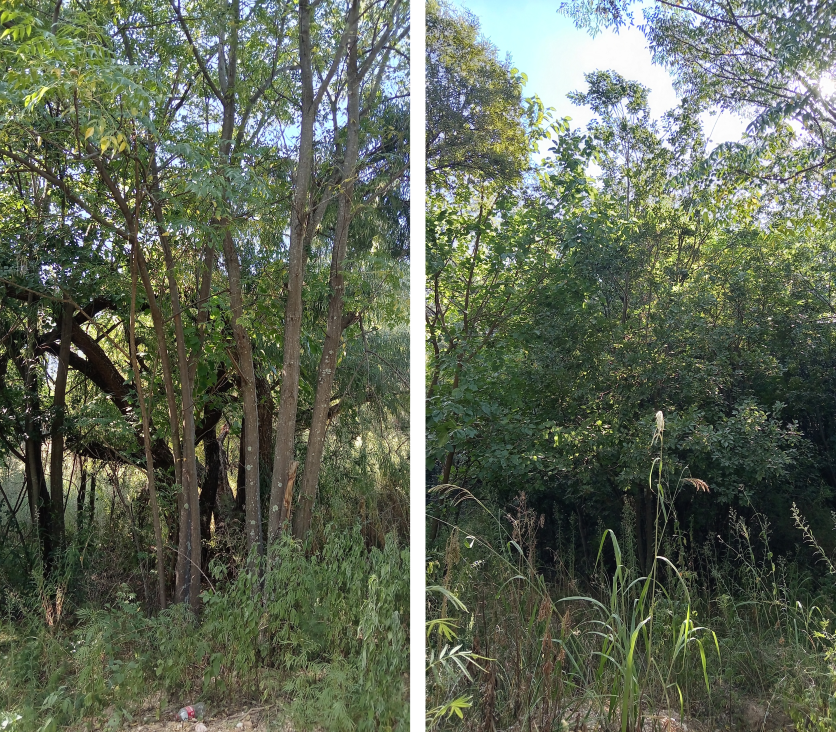
Invasive alien plants in the Crocodile River Conservancy

Challenges Across a Working Landscape

Despite its ecological significance, parts of the Magaliesberg landscape are experiencing increasing degradation driven by multiple and interconnected pressures.

Key challenges include:

These challenges affect the landscape’s ability to provide critical ecosystem services, including water regulation, soil stability, biodiversity conservation and sustainable agricultural production. Addressing these issues requires restoration approaches that strengthen both ecological processes and the management systems that support them.

Demonstrating Restoration on the Ground

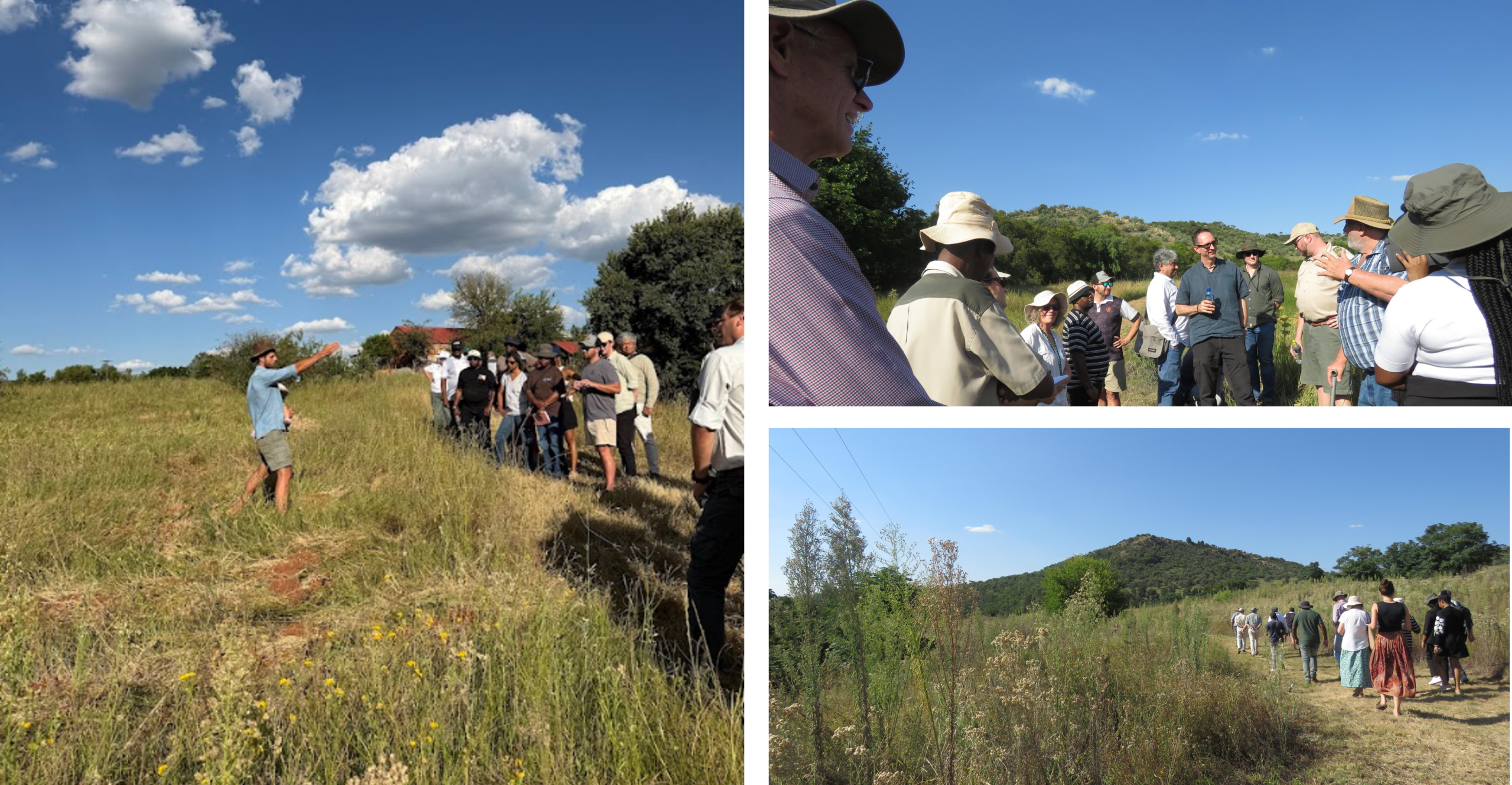
A key focus of ReLISA’s work in the Magaliesberg is the restoration of degraded grassland and grazing ecosystems. Within the Olienhout Conservancy, partners are implementing a grassland restoration pilot designed to demonstrate how sustainable land management can reverse degradation while supporting productive agricultural systems. The pilot targets approximately 2,650 hectares of degraded grazing land, where restoration interventions aim to improve ecosystem functioning, strengthen biodiversity outcomes and increase long-term land productivity.

By working directly with landowners and land users, the project seeks to develop practical restoration approaches that can be replicated across similar landscapes within the biosphere reserve and beyond.

Innovation Spotlight: Restoring the Bush–Grass Balance

One of the defining features of the Magaliesberg restoration pilot is its focus on restoring a healthy balance between woody vegetation and grassland ecosystems.Rather than relying solely on conventional clearing approaches, the project is testing restoration methods that mimic natural ecological processes.

Key interventions include:

Sustainable Bush Encroachment Management

Bush encroachment is addressed through a combination of:

These approaches help restore a healthier balance between grasses and woody species while improving grazing potential and ecosystem resilience.

Regenerative Grazing and Rangeland Management

The project is also testing intensive, high-density grazing approaches as a restoration tool. By carefully managing livestock movements and grazing intensity, partners aim to:

Implemented concurrently, these interventions demonstrate how agricultural production and ecological restoration can work hand in hand.

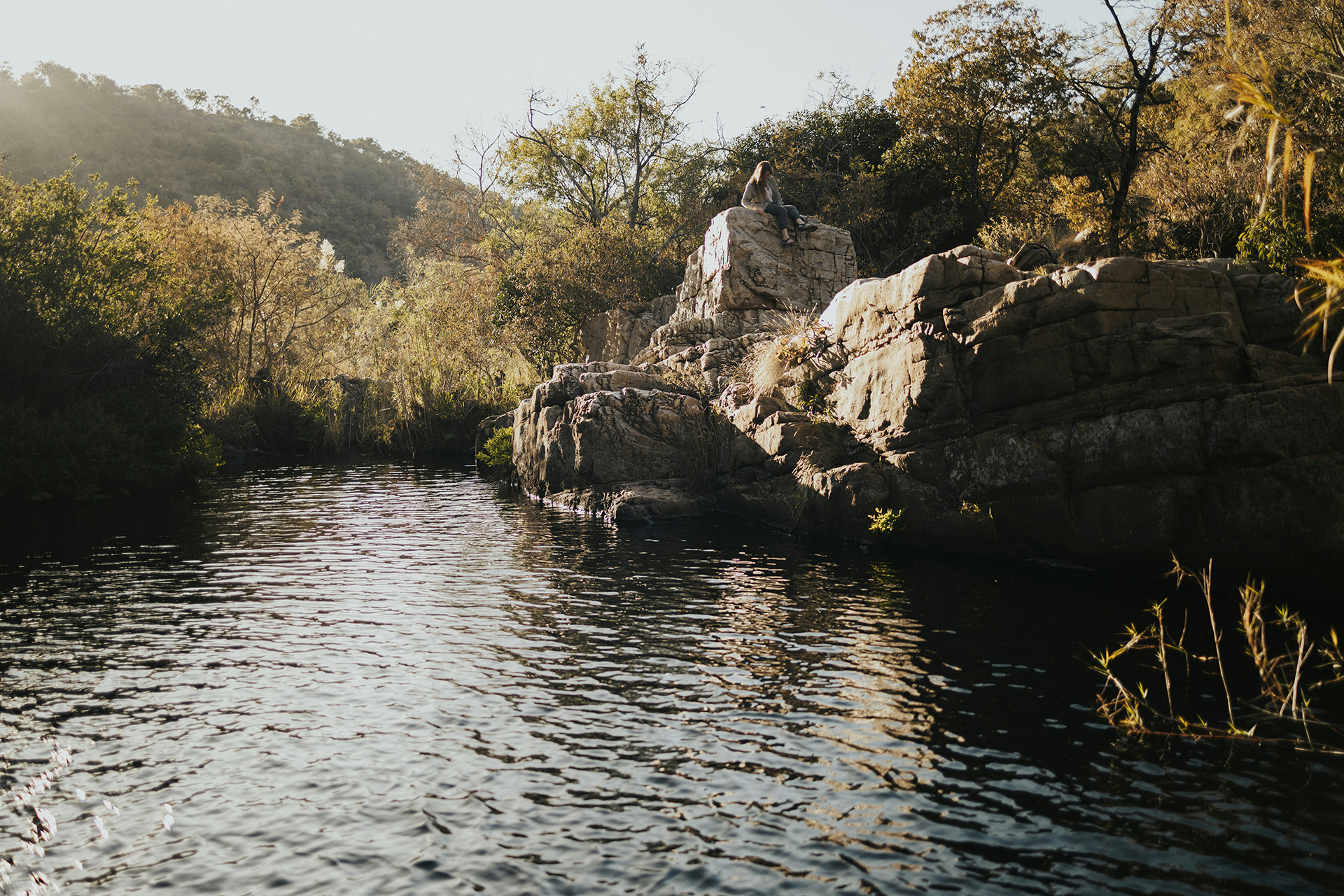
Image: Magliesberg Biosphere Reserve

Measuring Change Across the Landscape

Effective restoration depends on understanding what works and why. ReLISA is therefore supporting a robust Monitoring, Reporting and Verification (MRV) approach that compares restored and non-restored areas over time.

Monitoring activities focus on:

The evidence generated through this work will help strengthen the case for future restoration investment while informing best practices for grassland restoration across South Africa.

ReLISA’s Restoration Approach

The Magaliesberg project combines practical restoration interventions with collaborative governance and knowledge-sharing processes. Through this integrated approach, the project seeks to create lasting environmental, social and economic benefits across the biosphere reserve.

Key elements of the approach include:

ReLISA Restoration Approach
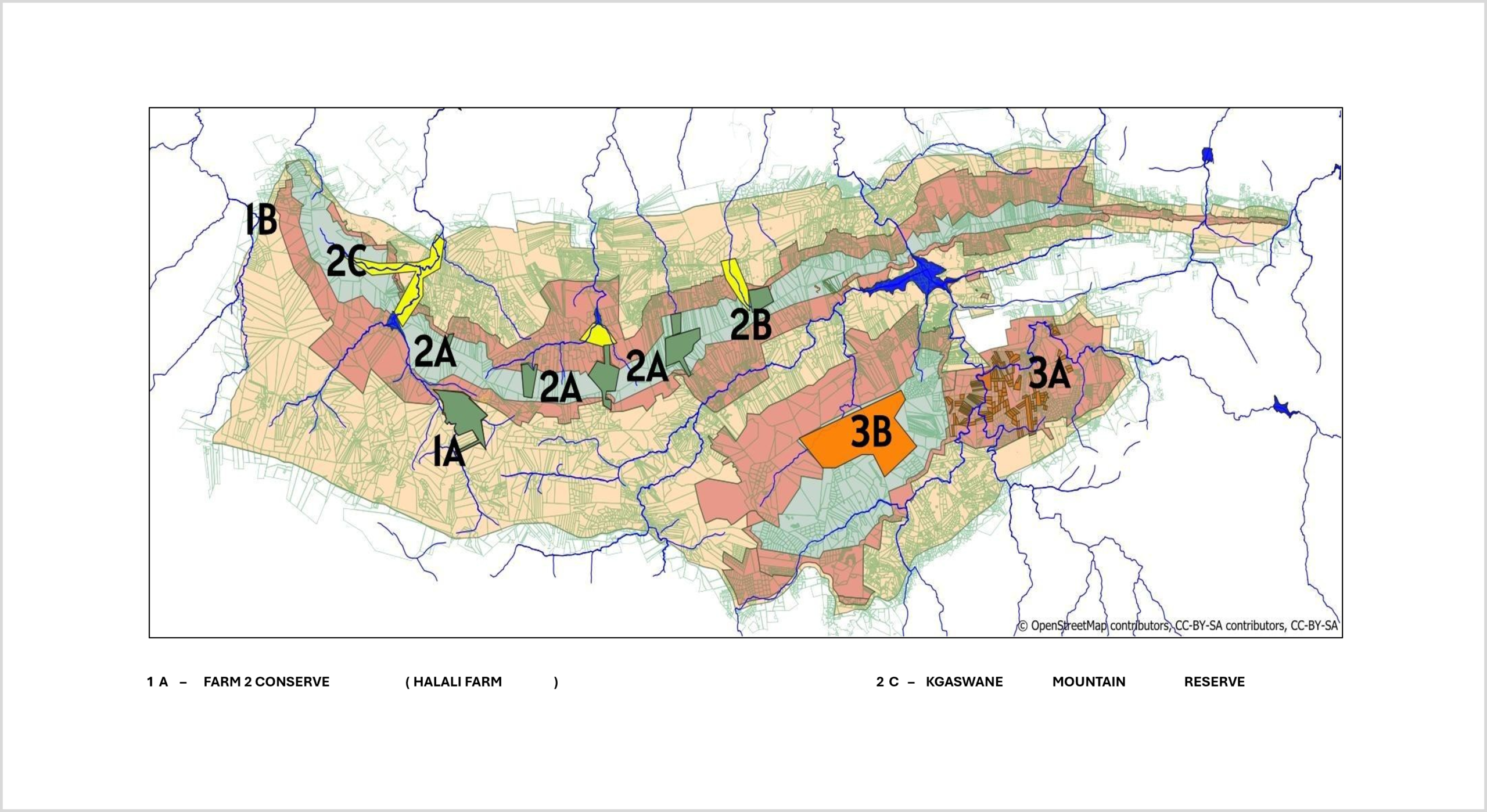
Potential ReLISA sites within the Magaliesberg Biosphere

Building a solid foundation for restoration

During implementation, ReLISA and its partners will undertake a range of restoration and enabling activities, including:

These activities will help establish a stronger foundation for long-term landscape restoration within the Magaliesberg Biosphere Reserve.

Working Together for Landscape Stewardship

The success of restoration in the Magaliesberg depends on collaboration between communities, landowners, government institutions, conservation organisations and technical partners. ReLISA brings together a diverse network of stakeholders committed to restoring ecosystem health and strengthening sustainable land management across the biosphere reserve.

Key partners include:

GPS

-25.7134, 27.9478

Lead Partner(s)

UNESCO

Biome

Savanna

Hectares

~357,971 ha

Land Use (%)

Protected ridges, agriculture, mining, urban

People/Households
Dependent

~2.4M residents

Protected
Areas (%)

% not fully reported

Ecosystem
Services

Biodiversity refuge, water catchment, heritage

Strategic Water
Source

No

Degradation
Challenges

Mining, agriculture expansion, urbanisation

Restoration Actions

Ridge protection, alien clearing, tourism management

Economic Opportunities

Heritage & eco-tourism, conservation jobs

SDG Links

SDG 6, 8, 9, 11, 13, 15

Investment Potential

Alien clearing, mine closure restoration, ridge offsets

Heritage Sites

Gauteng: Cradle of Humankind WHS – fossil hominin sites

Join partners, practitioners, and supporters working to restore South Africa’s landscapes.

Close Search Window
↑