Nature-based solutions for climate, biodiversity and people
Meet the ReLISA consortium partners driving restoration.
Learn about our focus areas and restoration approach.
Explore our project sites on the interactive map.
South Africa’s vital biomes; thicket, grassland, and savanna, are under threat from degradation. The ReLISA Project (Restoring Landscapes in South Africa) is a groundbreaking, multi-partner initiative dedicated to healing these ecosystems using nature-based solutions that address environmental, social, and economic challenges at the landscape level.
At ReLISA, we believe in a South Africa where thriving landscapes and empowered communities go hand in hand. Our mission is to drive sustainable development and environmental innovation through practical, scalable projects that protect natural resources, enhance livelihoods, and build long-term resilience.
ReLISA represents a long-term commitment to transforming South Africa’s biomes and communities for decades to come.
South Africa’s vital biomes; thicket, grassland, and savanna, are under threat from degradation. The ReLISA Project (Restoring Landscapes in South Africa) is a groundbreaking, multi-partner initiative dedicated to healing these ecosystems using nature-based solutions that address environmental, social, and economic challenges at the landscape level.
At ReLISA, we believe in a South Africa where thriving landscapes and empowered communities go hand in hand. Our mission is to drive sustainable development and environmental innovation through practical, scalable projects that protect natural resources, enhance livelihoods, and build long-term resilience.
ReLISA represents a long-term commitment to transforming South Africa’s biomes and communities for decades to come.
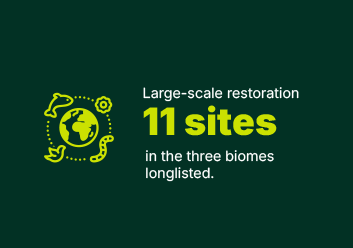
South Africa’s landscapes sustain people, wildlife, and water security. Through restoration in savanna, grassland, and thicket ecosystems, ReLISA is protecting biodiversity, strengthening resilience, and supporting communities.
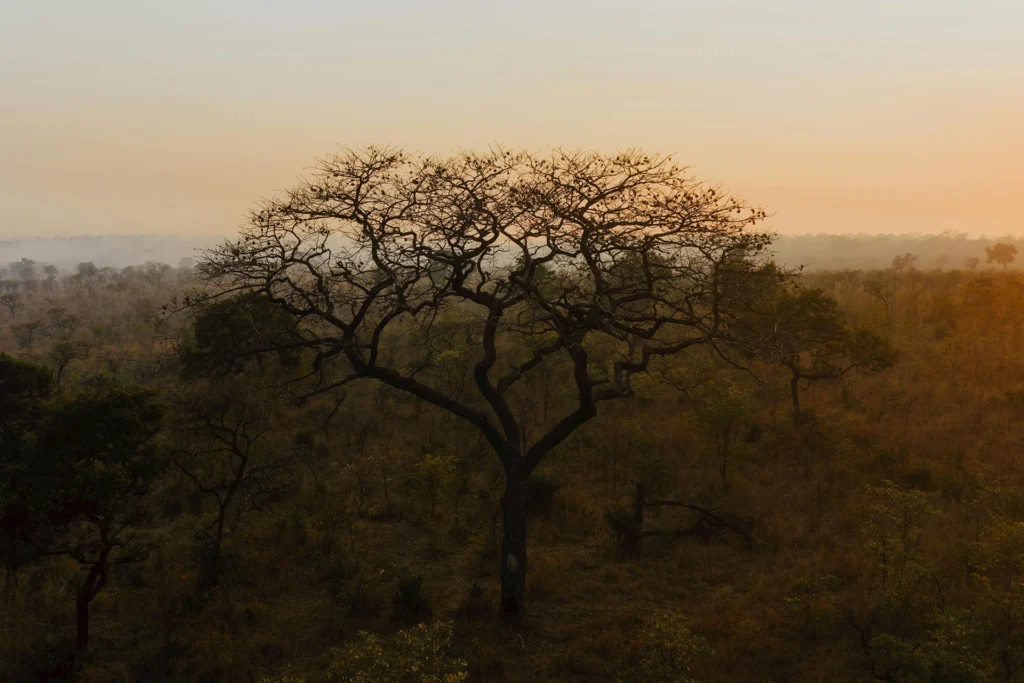
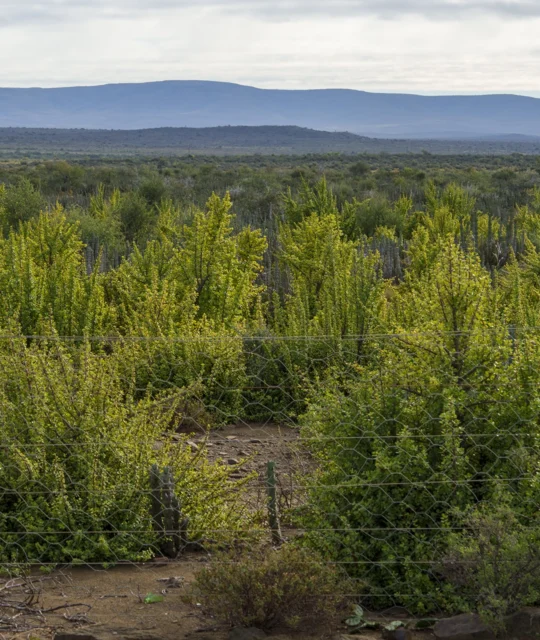
Covering nearly a third of the country, savannas support wildlife and rural livelihoods but face threats from overgrazing, mining, and agriculture. Restoration tackles bush encroachment, protects biodiversity, and sustains water and soil resources.
Project sites: Western Soutpansberg · Waterberg Strategic Water Source Area & Biosphere · Kruger to Canyons Biosphere Reserve · Magaliesberg Biosphere Reserve
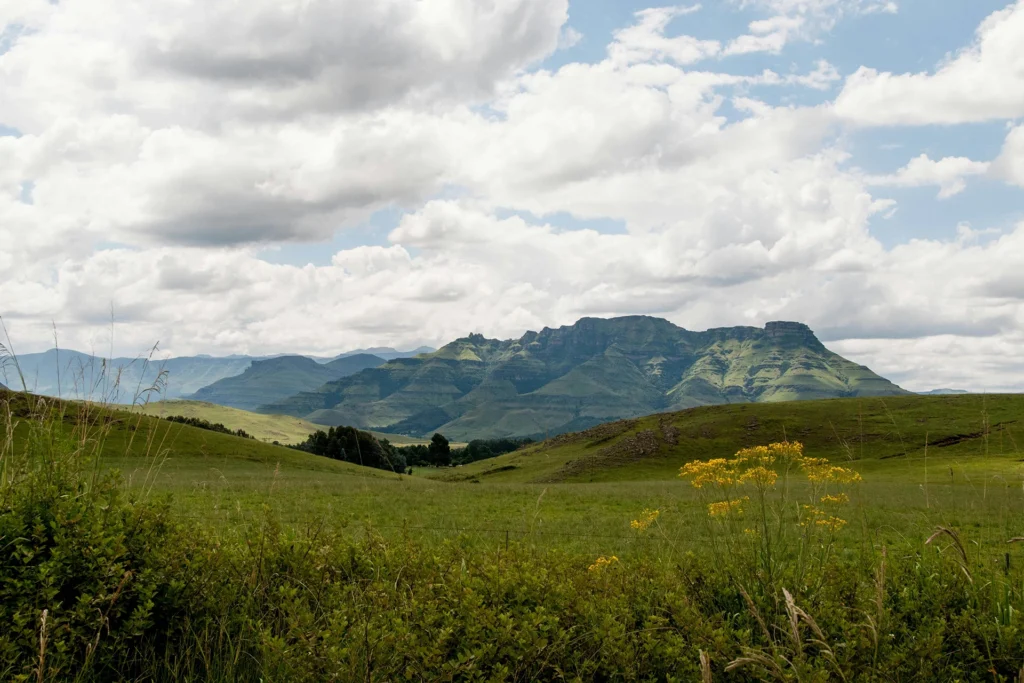
South Africa’s grasslands are vital “water factories” yet degraded by farming, forestry, and urban growth. Efforts focus on alien plant removal, soil recovery, and sustainable grazing to secure clean water and livelihoods.
Project sites: Northern Drakensberg SWSA · Southern Drakensberg Source Area · Mountain Zebra Camdeboo Protected Environment · Amathole SWSA · Wild Coast
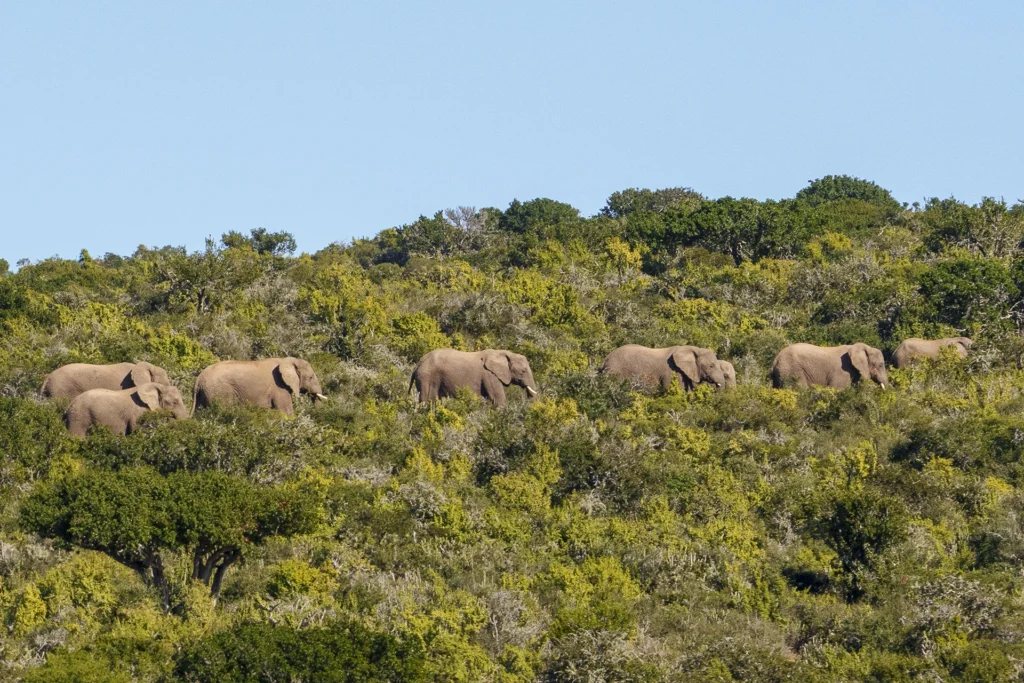
Though limited in extent, subtropical thicket is globally important for carbon storage and biodiversity. Restoration re-establishes native vegetation like spekboom, heals soils, and creates green jobs.
Project sites: Addo Elephant National Park · Greater Addo-Amathole Node
South Africa’s landscapes sustain people, wildlife, and water security. Through restoration in savanna, grassland, and thicket ecosystems, ReLISA is protecting biodiversity, strengthening resilience, and supporting communities.
South Africa’s grasslands are vital “water factories” yet degraded by farming, forestry, and urban growth. Efforts focus on alien plant removal, soil recovery, and sustainable grazing to secure clean water and livelihoods.
Project sites: Northern Drakensberg SWSA · Southern Drakensberg Source Area · Mountain Zebra Camdeboo Protected Environment · Amathole SWSA · Wild Coast
South Africa’s grasslands are vital “water factories” yet degraded by farming, forestry, and urban growth. Efforts focus on alien plant removal, soil recovery, and sustainable grazing to secure clean water and livelihoods.
Project sites: Northern Drakensberg SWSA · Southern Drakensberg Source Area · Mountain Zebra Camdeboo Protected Environment · Amathole SWSA · Wild Coast
Though limited in extent, subtropical thicket is globally important for carbon storage and biodiversity. Restoration re-establishes native vegetation like spekboom, heals soils, and creates green jobs.
Project sites: Addo Elephant National Park · Greater Addo-Amathole Node
December 5, 2025• byReLisa