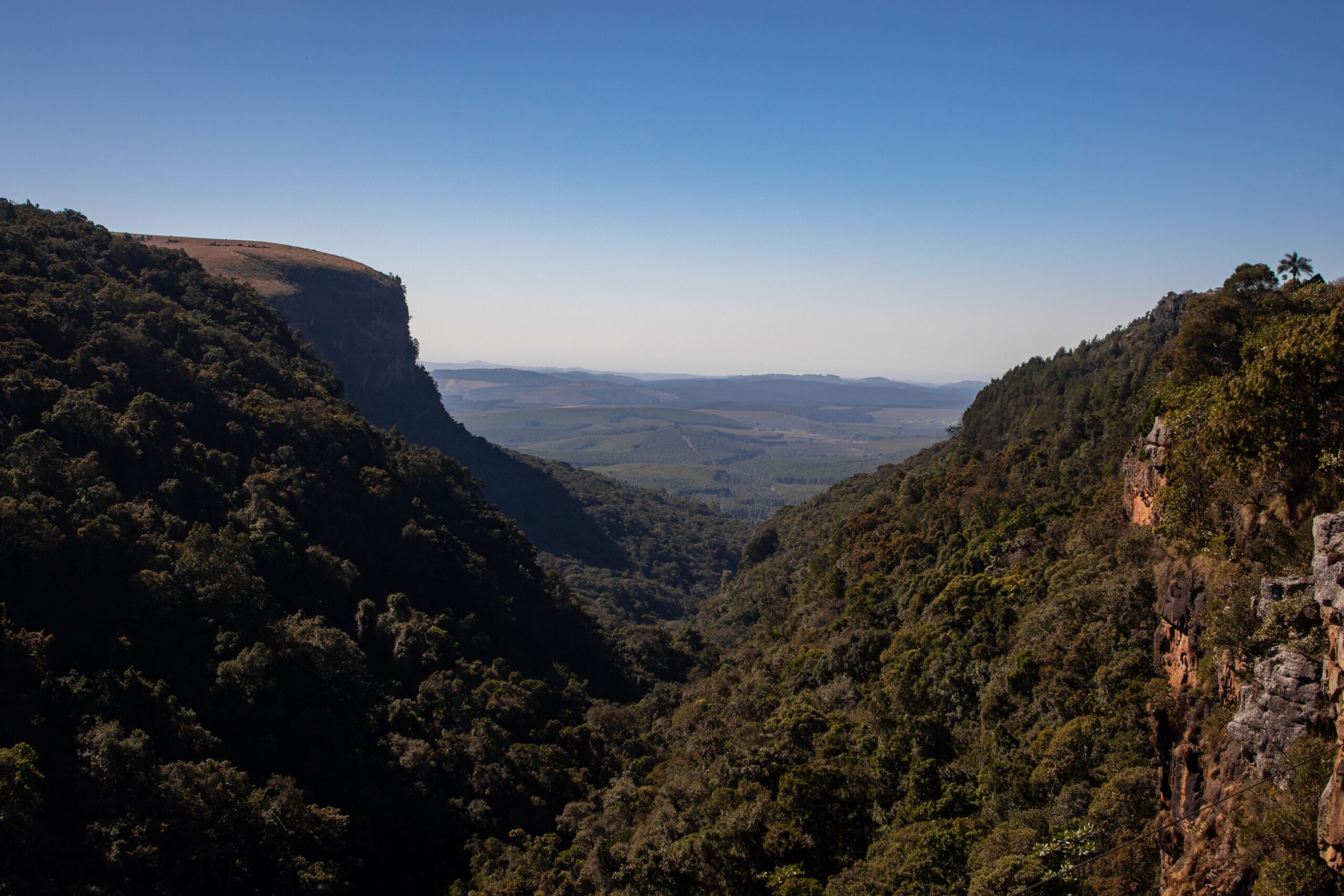
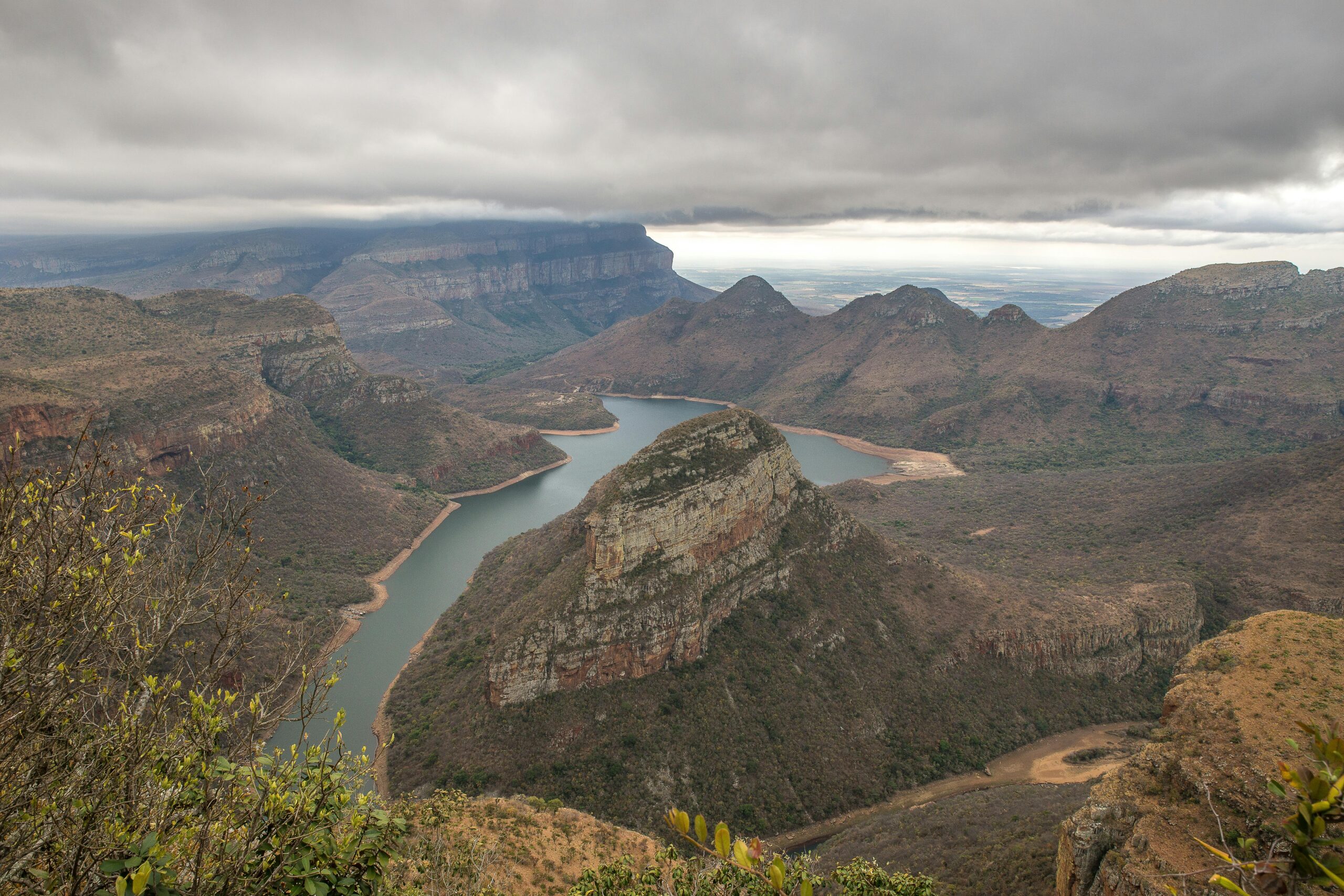
Spanning 2.5 million hectares from the Drakensberg escarpment to the Kruger National Park, the Kruger to Canyons Biosphere Region includes the Blyde River Catchment – one of South Africa’s most important water-producing landscapes and part of the Mpumalanga Drakensberg Strategic Water Source Area. However, invasive alien plants, land degradation, growing water demands and fragmented governance threaten the health of the catchment and the ecosystems and communities that depend on it. Through ReLISA, partners are restoring priority areas of the catchment, improving ecosystem functioning and strengthening sustainable land management. The project also supports the development of a Catchment Investment Programme designed to attract long-term restoration finance and demonstrate how nature-based solutions can improve water security, biodiversity and livelihoods.