Our Project Sites - Restoring South Africa's Biomes
ReLISA will work across multiple sites located in South Africa’s most important water source areas and biodiversity hotspots. These areas represent the country’s three main terrestrial biomes: savanna, grassland, and thicket. Each site showcases unique challenges and opportunities for large-scale, inclusive restoration.
Our interactive map highlights 11 project sites in six provinces spanning savanna, grassland, and thicket biomes – each critical for water security, biodiversity, and community livelihoods. Click on a site to learn more about its unique challenges, restoration activities, and the people driving change on the ground. Together, these landscapes form the backbone of South Africa’s climate resilience and ecological restoration journey.
Biomes
Savanna (S)
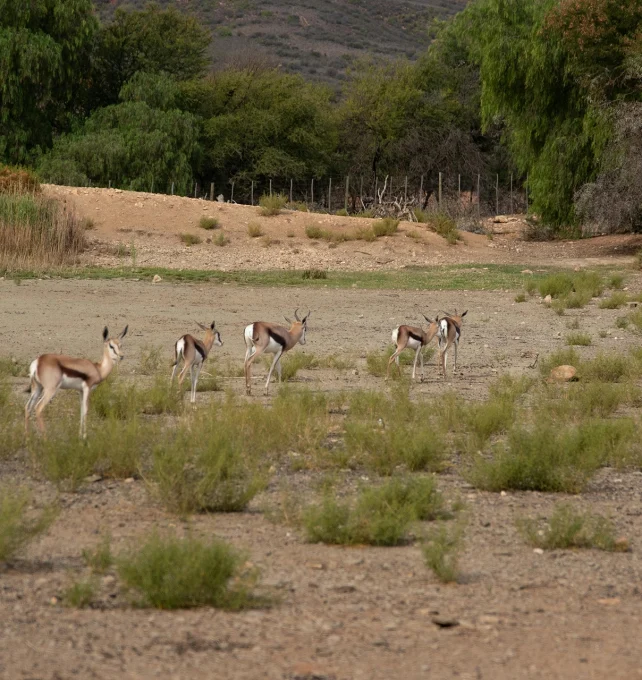
Covering nearly a third of South Africa, savannas are home to iconic wildlife and provide vital ecosystem services for communities. Yet, they are under growing pressure from overgrazing, unsustainable agriculture, and mining. Restoration efforts focus on tackling bush encroachment, protecting biodiversity, and ensuring water and soil resources remain productive for both people and nature.
Balancing restoration with urban expansion pressures.
Grassland (G)
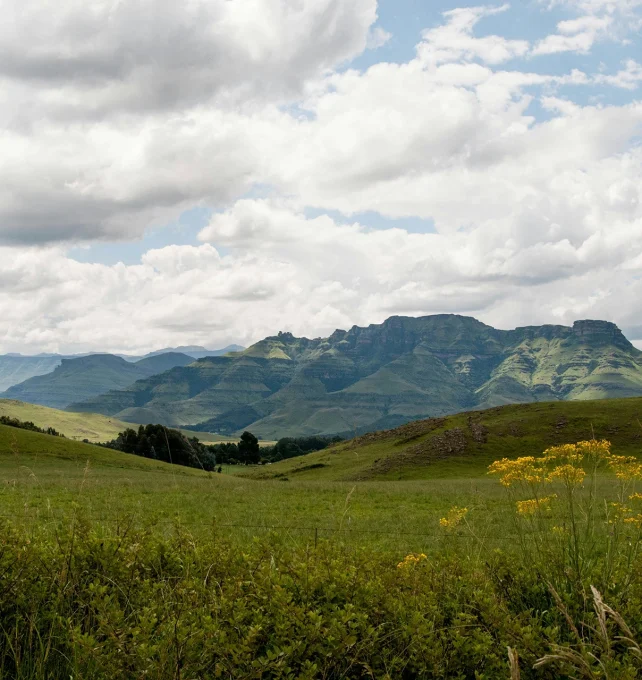
South Africa’s grasslands are the country’s “water factories,” feeding rivers and dams that supply millions. However, decades of intensive farming, plantation forestry, and urban expansion have degraded these fragile ecosystems. Restoration priorities include alien plant removal, soil rehabilitation, and sustainable grazing practices to secure clean water, climate resilience, and livelihoods.
Supporting community livelihoods through restoration.
Thicket (T)
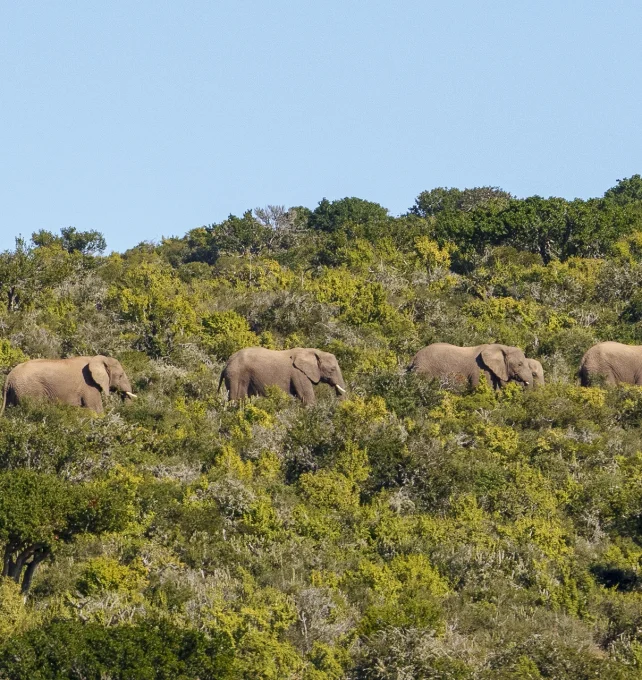
The subtropical thicket biome, though covering only a small portion of South Africa, is globally significant for its carbon storage and biodiversity. Large areas have been severely degraded by unsustainable livestock practices, leaving bare, eroded landscapes. Restoration here involves re-establishing native vegetation, such as spekboom, improving soil health, and creating green jobs through large-scale planting initiatives.