
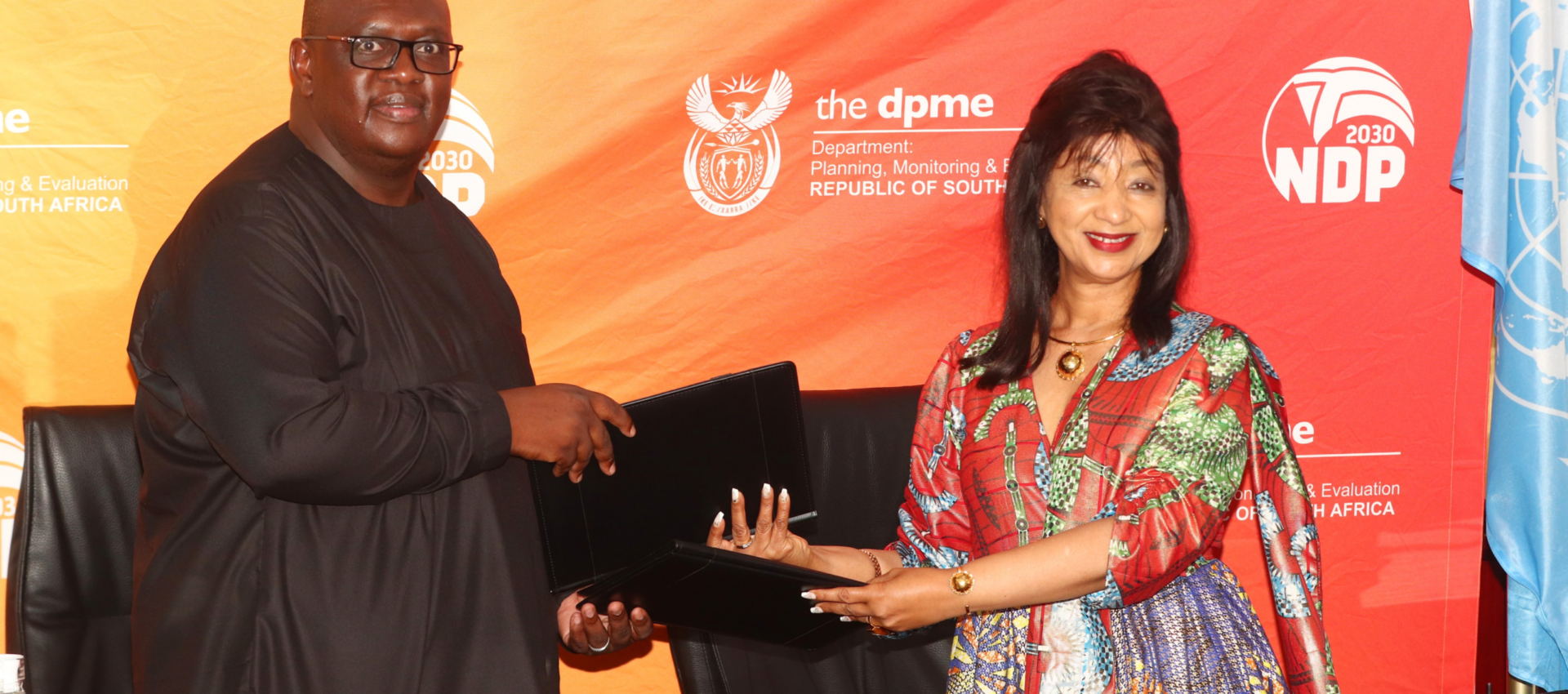
DPME and UNEP formalise partnership to accelerate landscape restoration in South Africa
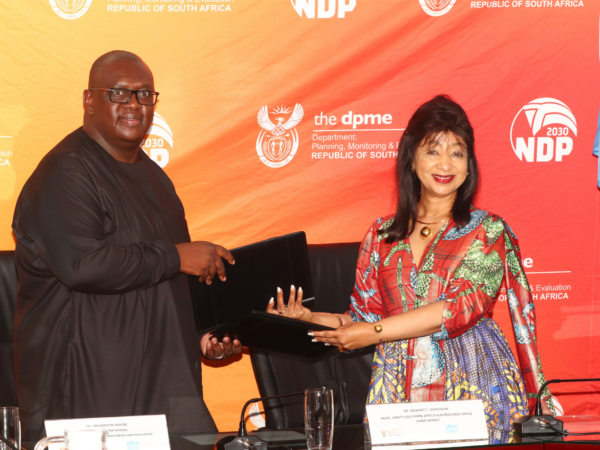
The Department of Planning, Monitoring and Evaluation (DPME) and the United Nations Environment Programme (UNEP) officially signed a Memorandum of Understanding (MoU) on 1 December 2025, marking a key milestone for the Restoring Landscapes in South Africa (ReLISA) project.
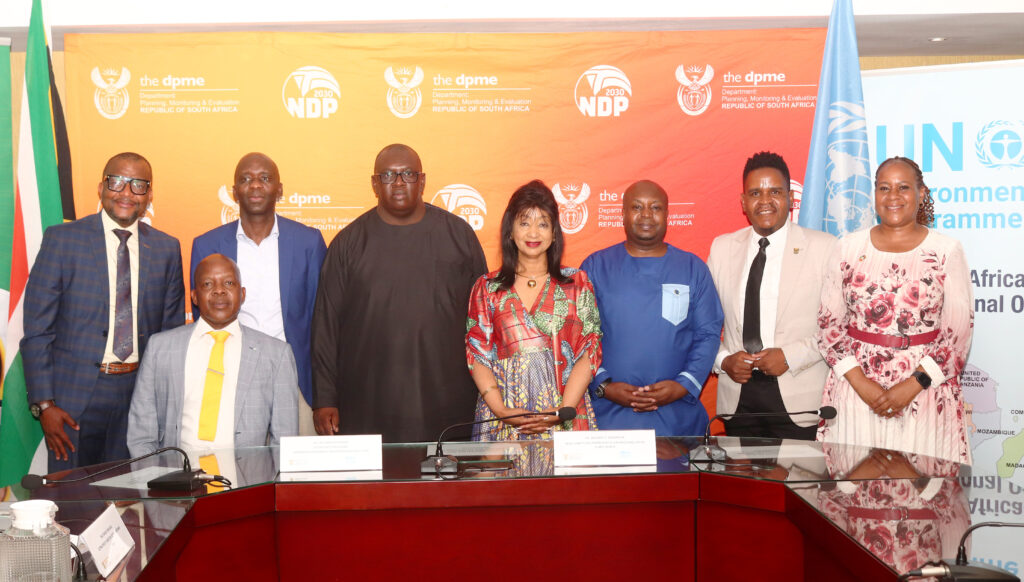
The MoU provides a structured framework for cooperation between the two institutions, enabling aligned planning, coordination and monitoring of restoration activities that support national environmental and developmental objectives. The ceremony brought together senior government officials, United Nations’ officials, and key partners working across South Africa’s environmental and land-use sectors.
Opening the ceremony, Dr Meseret Zemedkun, Head of UNEP’s Southern Africa Sub-Regional Office, emphasised the collaborative foundations of the ReLISA project and noted that it provides an important platform for coordinated action and long-term impact.
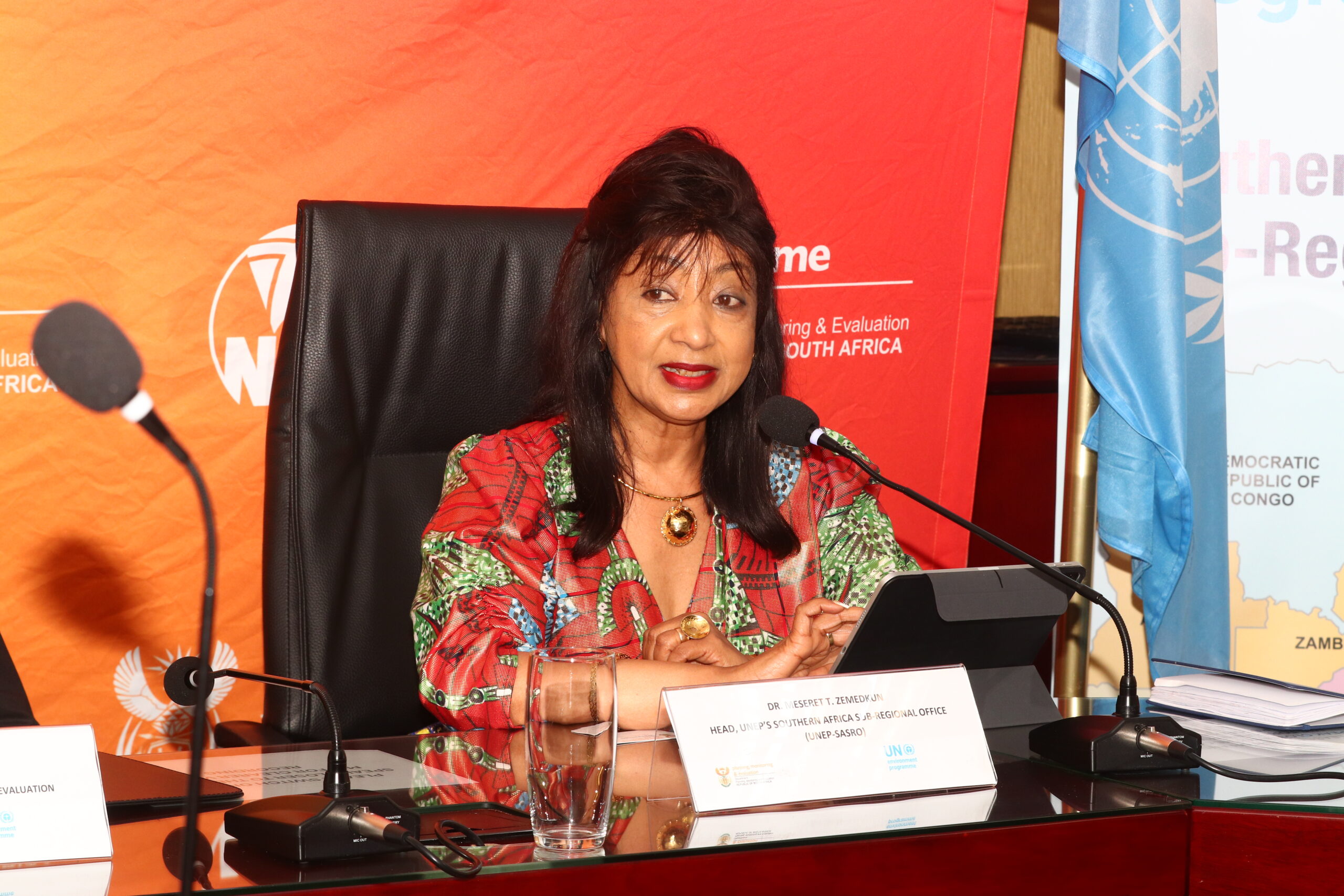
“ReLISA is deliberately designed to foster cohesion and climate resilience through nature action; to empower communities, youth and practitioners with skills in restoration, sustainable land management, biodiversity and ecosystem monitoring; to strengthen water and food security.”
She further highlighted that ReLISA’s key differentiator was its central focus on addressing barriers to private sector investment and mobilising finance. “ReLISA goes beyond restoration; leveraging private sector investment is a vital element. That’s how we bring income opportunities and enhanced livelihoods, upscale on-the-ground interventions and replicate to other parts of Africa and beyond.”
Representing the Department of Forestry, Fisheries and the Environment (DFFE), Mr Stanley Tshitwamulomoni, Director: Water Sources and Wetlands Conservation, underscored that ReLISA supports national environmental priorities.
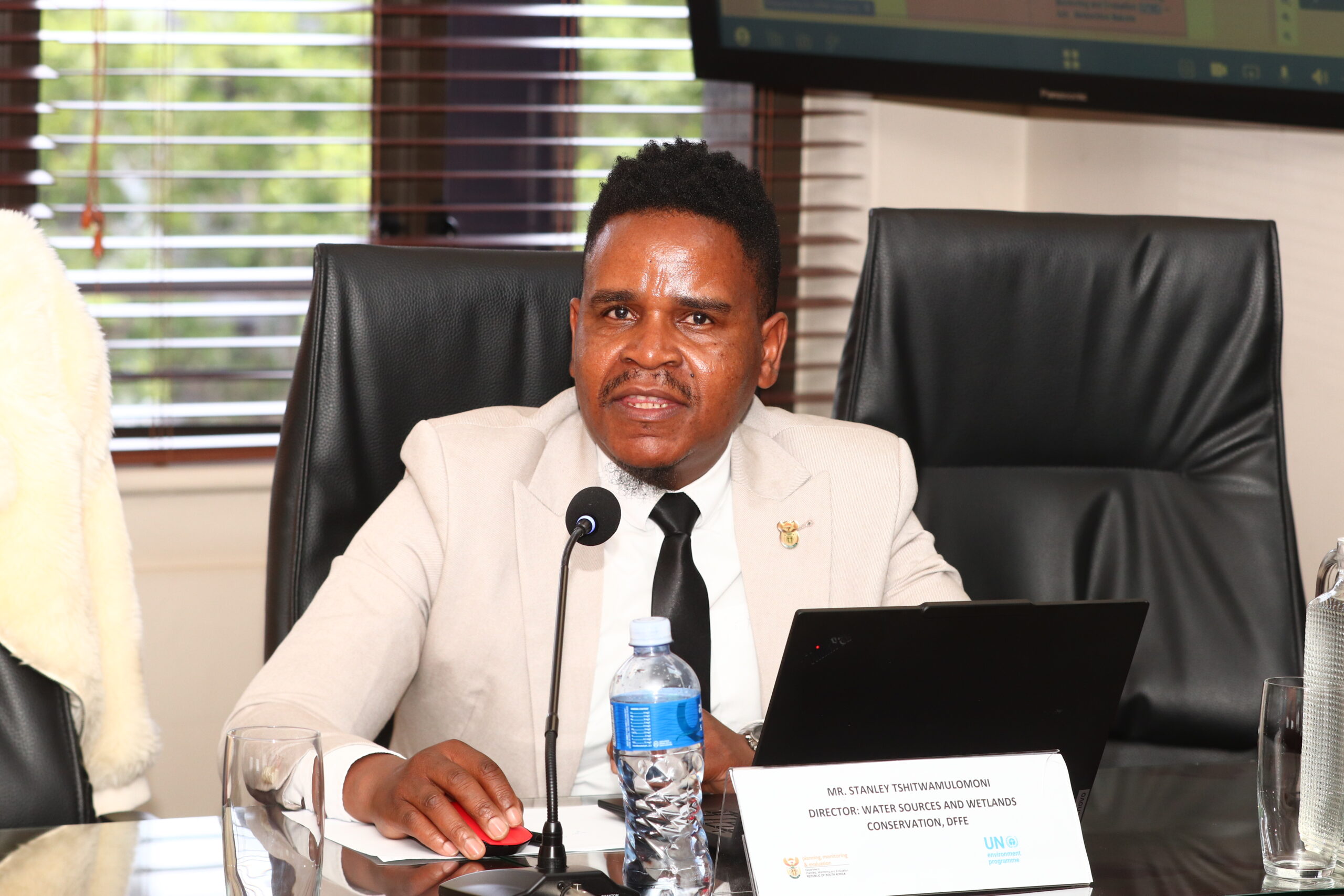
“In alignment with DFFE’s wide range of strategies and action plans, ReLISA prioritises the rehabilitation, restoration and sustainable management of degraded landscapes and ecosystems in South Africa. ReLISA can help us conserve, manage and sustainably use biodiversity to ensure equitable benefits to the people of South Africa, now and in the future.”
Delivering remarks for DPME, Advocate Melanchton Makobe, Acting Director-General, welcomed the partnership as an opportunity to strengthen integrated planning and drive improved performance across departments involved in restoration efforts.
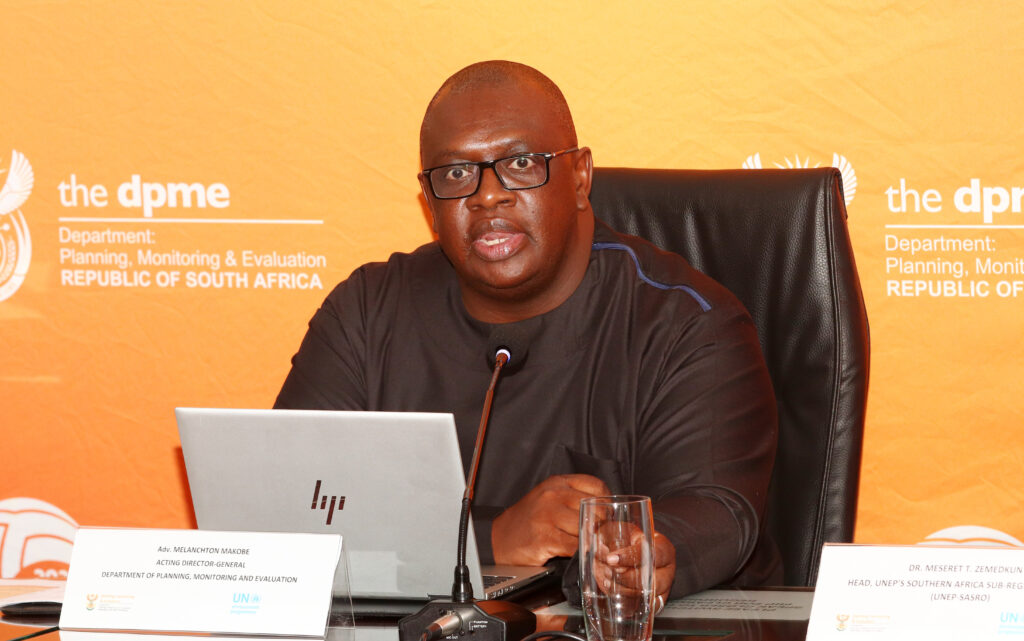
“This MOU with UNEP is a commitment to action. UNEP brings global experience, technical resources, and innovative solutions that will help us. We will develop a national framework for large-scale land restoration, build capacity at provincial and local levels, mobilise finance and technology for land rehabilitation, and integrate nature-based solutions into rural development strategies.”
He also emphasised the importance of ecosystem restoration for socio-economic development. “Restoring degraded land is not only for environmental integrity, it is also an economic and social opportunity. It can create thousands of jobs, improve food security, and build resilience against climate shocks.”
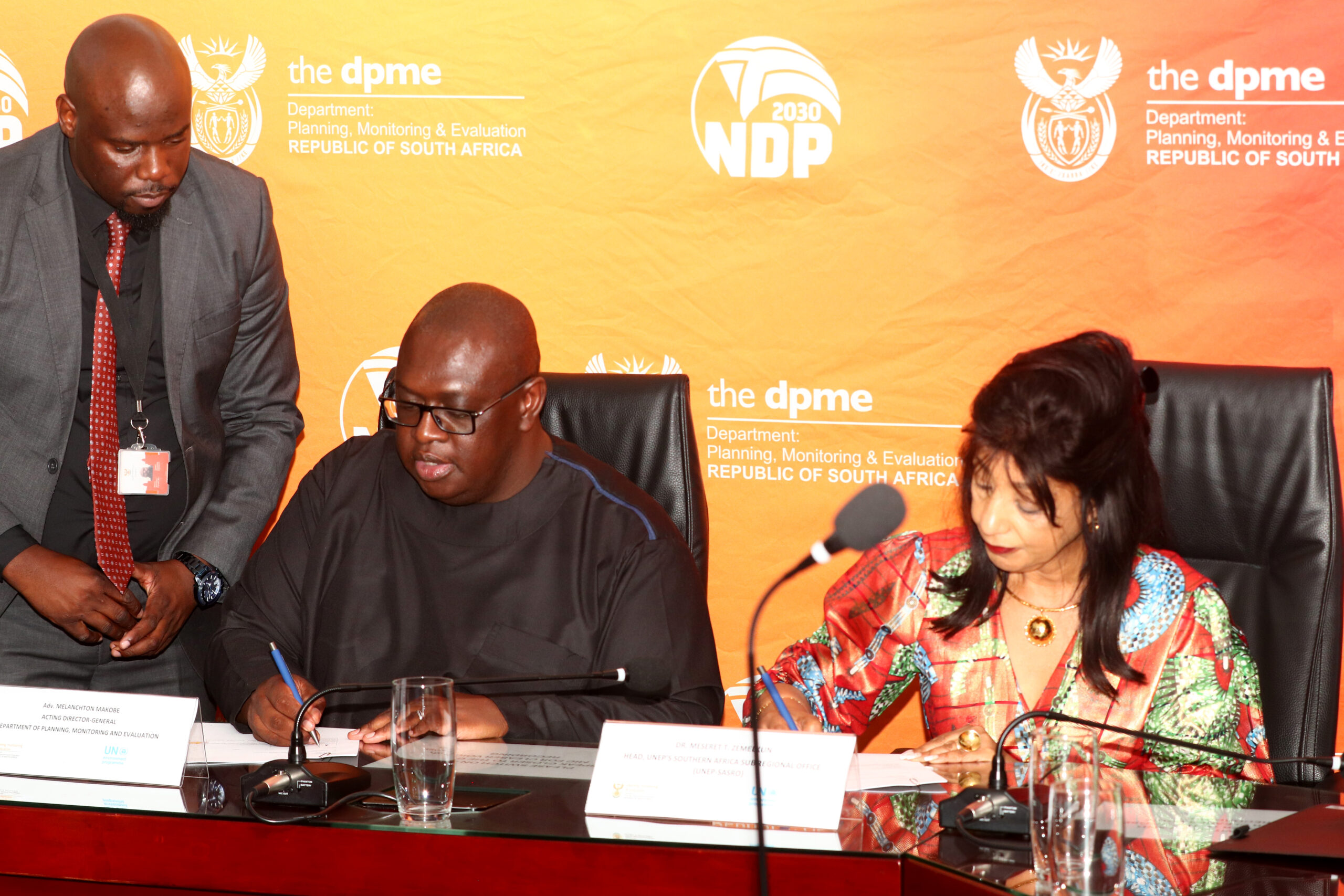
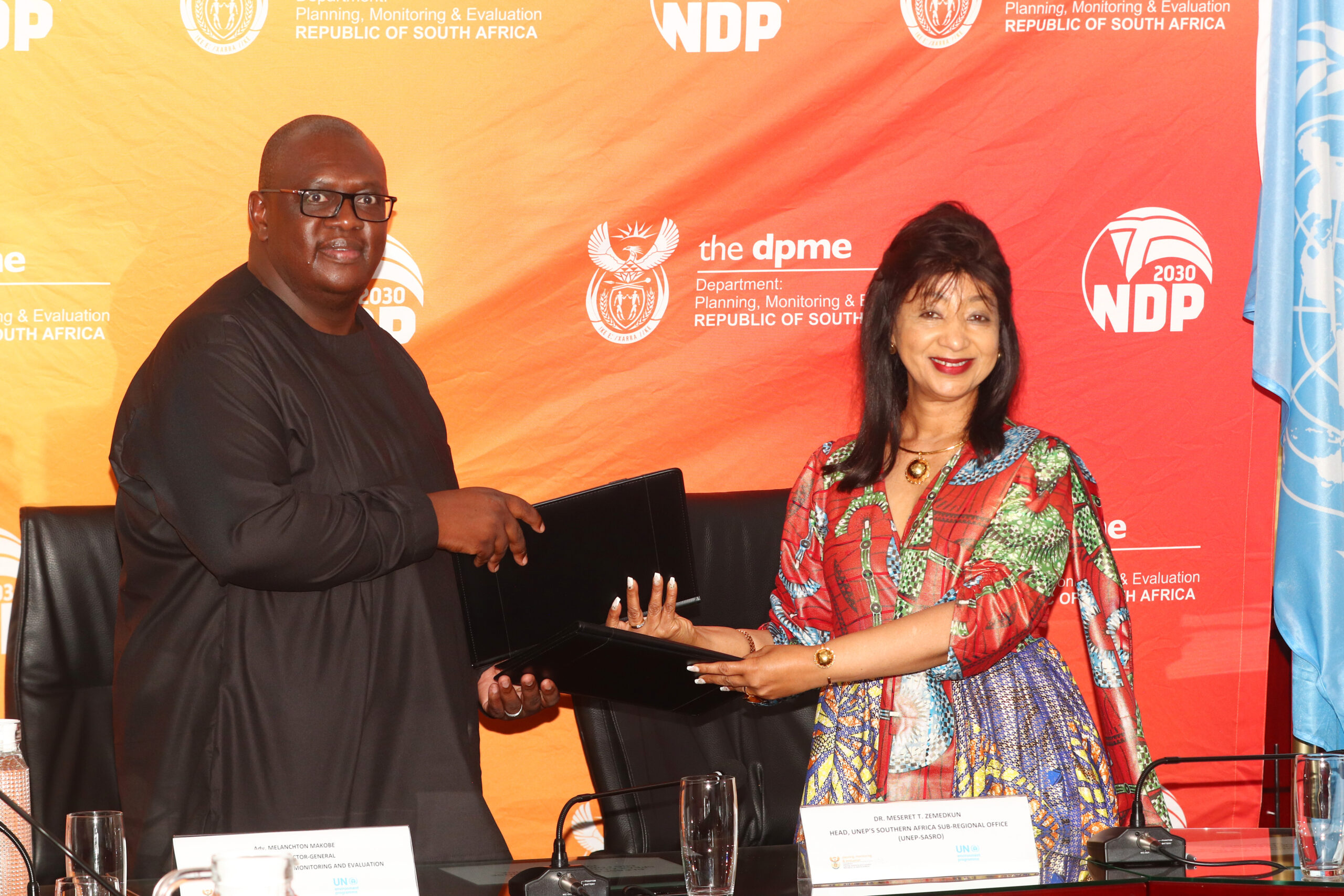
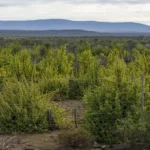
Following the formal remarks, the parties signed and exchanged the MoU, signalling the start of a more coordinated approach to ReLISA’s implementation. The project will advance restoration across South Africa’s thicket, grassland and savanna biomes, strengthen climate resilience, and unlock economic opportunities through a just transition in the land-use sector.
Last modified: August 12, 2026


Donor
Consortium Partners
