Nairobi, 4 December 2025 – The UN today recognized the restoration of South Africa’s thicket in Eastern Cape as a World Restoration Flagship. South Africa’s achievement – alongside initiatives in Australia and Canada – was announced ahead of the 7th UN Environment Assembly (UNEA-7), boosting agrifood systems, biodiversity and global climate goals.
Jointly led by UN Environment Programme (UNEP) and the Food and Agriculture Organization of the United Nations (FAO), the awards are announced under the UN Decade on Ecosystem Restoration (2021–2030). The World Restoration Flagships represent some of the most ambitious, science-based, and inclusive examples of restoration in action.
“One hectare at a time, governments, communities and partners are restoring forests, grasslands, shrublands, coastlines and marine environments,” said Inger Andersen, Executive Director of UNEP. “By combining lessons from Indigenous Peoples with modern science, we are restoring damaged ecosystems. One hectare at a time.”
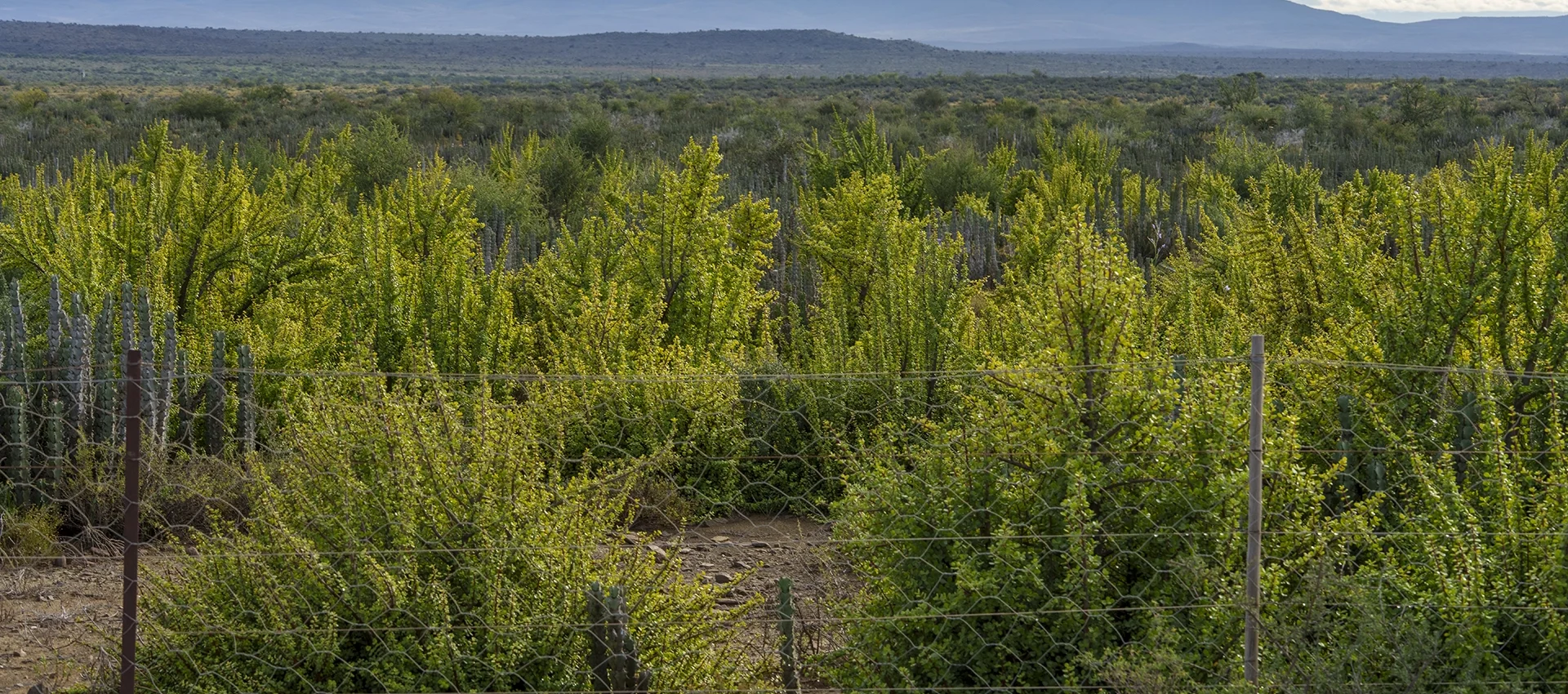
Thicket Restoration Movement in South Africa
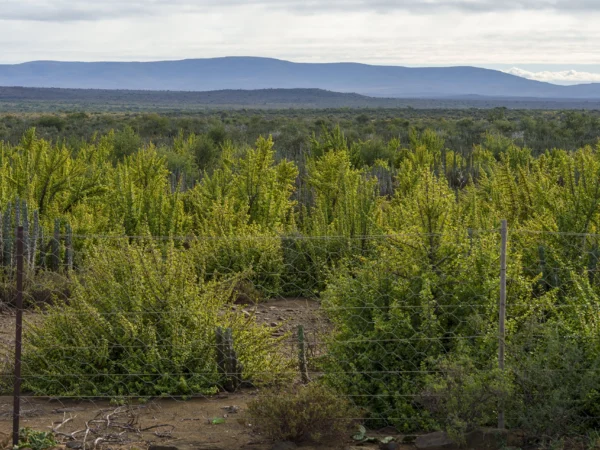
One of South Africa’s most biodiverse yet neglected ecosystem is the native subtropical thicket. Thicket Restoration in South Africa unites over 60 initiatives across the country’s Eastern Cape by building on best practices, connecting the public and private sectors to bolster restoration. Made through Portulacaria afra (spekboom) planting, this restoration flagship aims at a transformational rehabilitation of 800,000 ha by 2030.
Restoring thicket makes the soil more resilient, stores carbon and serves as fodder storage for large livestock and other large mammals during droughts, a high priority for a region that experienced its worst drought in 100 years in 2023 and 2024.
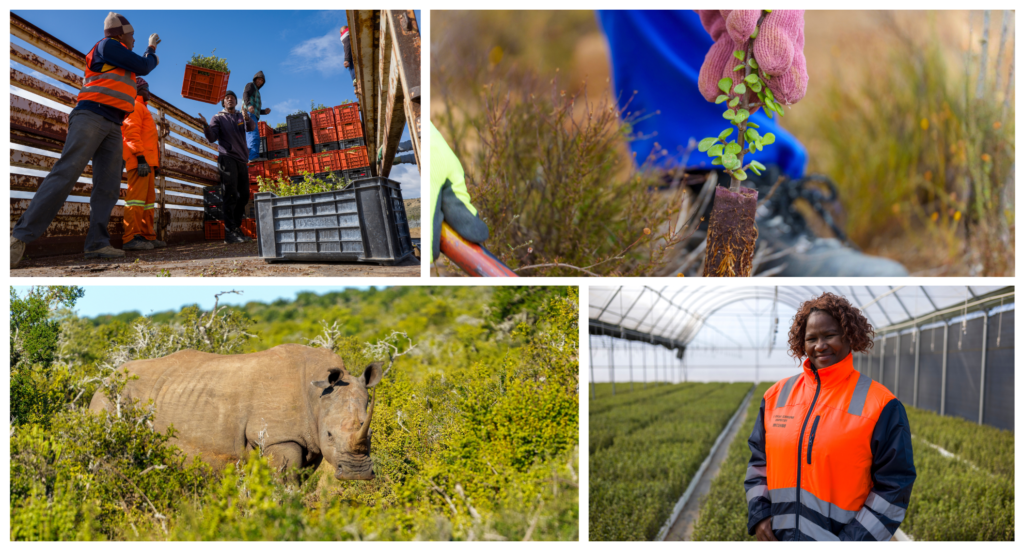
It also provides a safe habitat for various native browser species, including black rhinos and African elephants, responding to long-term threats. Planting native species, clearing invasive plants, and benefiting the country’s inclusive and gender-sensitive green economy: training communities in restoration is expected to create more than 1,000 rural jobs, and indirectly improve the livelihoods of around two million people, for example through improved ecosystem services.
Supporting climate vulnerable communitie, the thicket’s revival also sequesters up to eight million tonnes of CO₂ annually, offsetting emissions equivalent to about 20 gas-fired power plants.
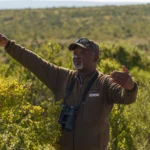
“The efforts that have been put into spekboom restoration will benefit future generations. We are banking for the long term,” said Luyanda Luthuli, a landscape practitioner of Living Lands, one of the organizations forming the initiative. “I am excited and hopeful for the future and for seeing the fruits of our labor towards restoring ecosystems, restoring resilience.”
Restoring ecosystems, restoring resilience
South Africa’s Thicket Restoration movement was announced alongside Australia’s Shellfish Reef Building programme and Canada’s Respectful Returns initiative as the three new United Nations World Restoration Flagships. They add to a growing portfolio of 27 already recognized flagships since 2022, collectively restoring over 18 million ha of diverse ecosystems worldwide, with plans to restore a total of more than 68 million ha.
The success of multiple ecosystem restoration initiatives highlights a central message of UNEA-7: restoring ecosystems is an essential pathway to strengthen resilience for people and nature, ensuring they thrive in tandem.
Last modified: December 5, 2025