Home » Our Project Sites » KwaZulu-Natal » Northern Drakensberg SWSA » Northern Drakensberg Grassland Restoration

Northern Drakensberg Grassland Restoration

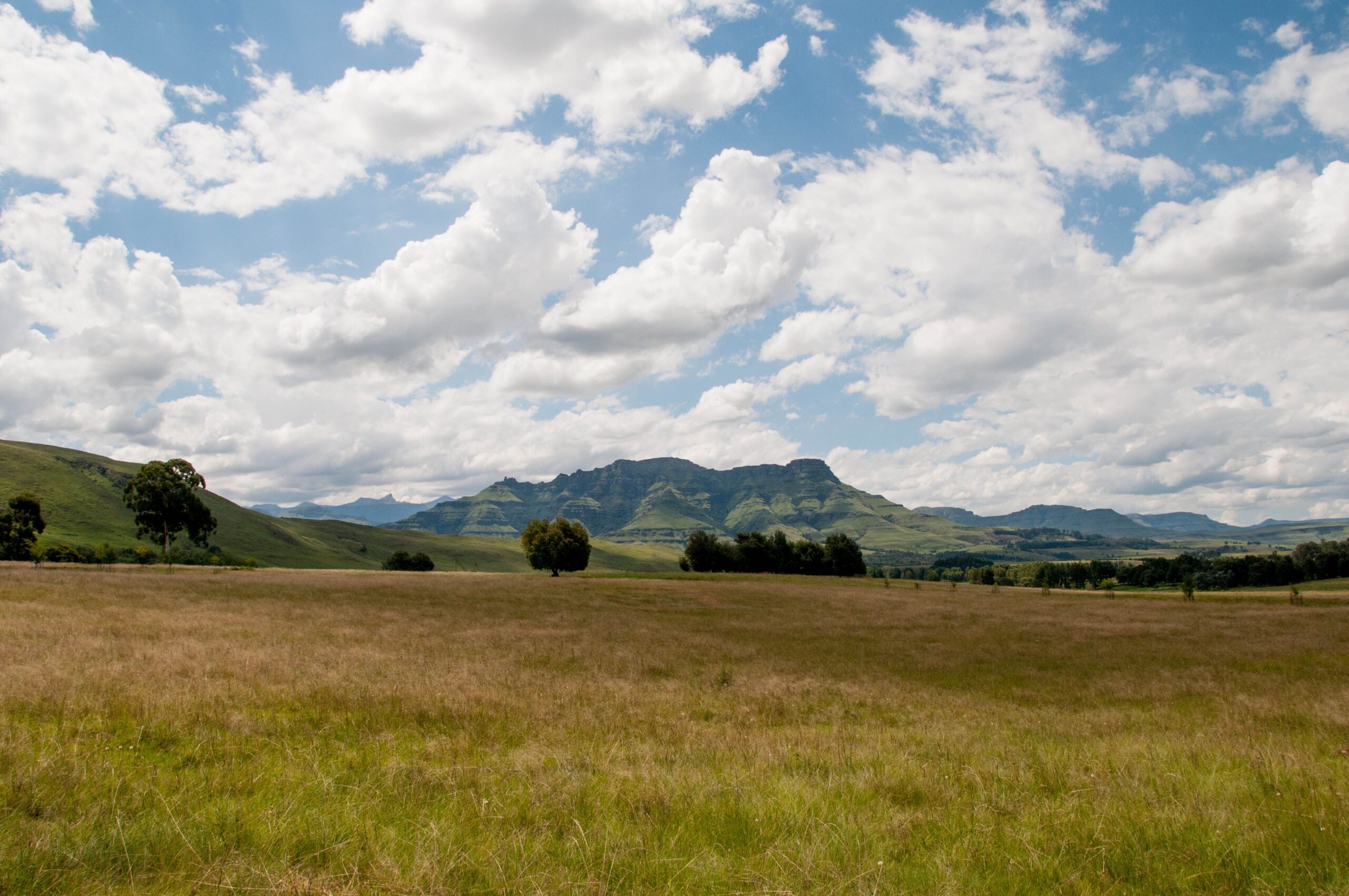
The Northern Drakensberg’s grasslands are among the most important natural assets within South Africa’s Strategic Water Source Area network. These high-altitude ecosystems capture, store and release water, support biodiversity, reduce erosion, store carbon, and sustain agricultural livelihoods across the upper uThukela catchment. However, invasive alien plant species and unsustainable grazing practices have degraded parts of the landscape, reducing ecosystem functioning and placing pressure on both biodiversity and water resources.

Through the ReLISA Programme, the Endangered Wildlife Trust (EWT) is leading a landscape-scale grassland restoration initiative focused on invasive alien plant control, ecosystem recovery, biodiversity stewardship and sustainable land management. The programme aims to improve ecosystem functioning across approximately 1,000 hectares while supporting the protection of an additional 30,000 hectares through formal conservation and stewardship mechanisms.

Alien Invasive Plant Control and Ecosystem Recovery

A major focus of the project is the control of invasive alien plant (AIP) species, particularly wattle infestations that outcompete indigenous vegetation, reduce water availability and degrade grassland ecosystems. Working in partnership with the Department of Water and Sanitation through the Herbicide Assistance Programme, EWT coordinates landowner participation, oversees herbicide use, conducts site monitoring and follow-up assessments, and supports the safe management of restoration operations.

Early results demonstrate the potential for rapid ecological recovery. To date, more than 18,000 invasive plants have been controlled, and a dedicated six-member field team has been established to support implementation. The programme has also introduced drone-based technologies to improve the efficiency and precision of invasive plant management across challenging terrain.

Restoration activities extend beyond initial clearing. Follow-up interventions focus on removing invasive regrowth, monitoring erosion risks, assessing the need for reseeding, and supporting the transition of previously invaded areas back into healthy and productive grasslands.

Restoration in Practice: Tywfelhoek Farm

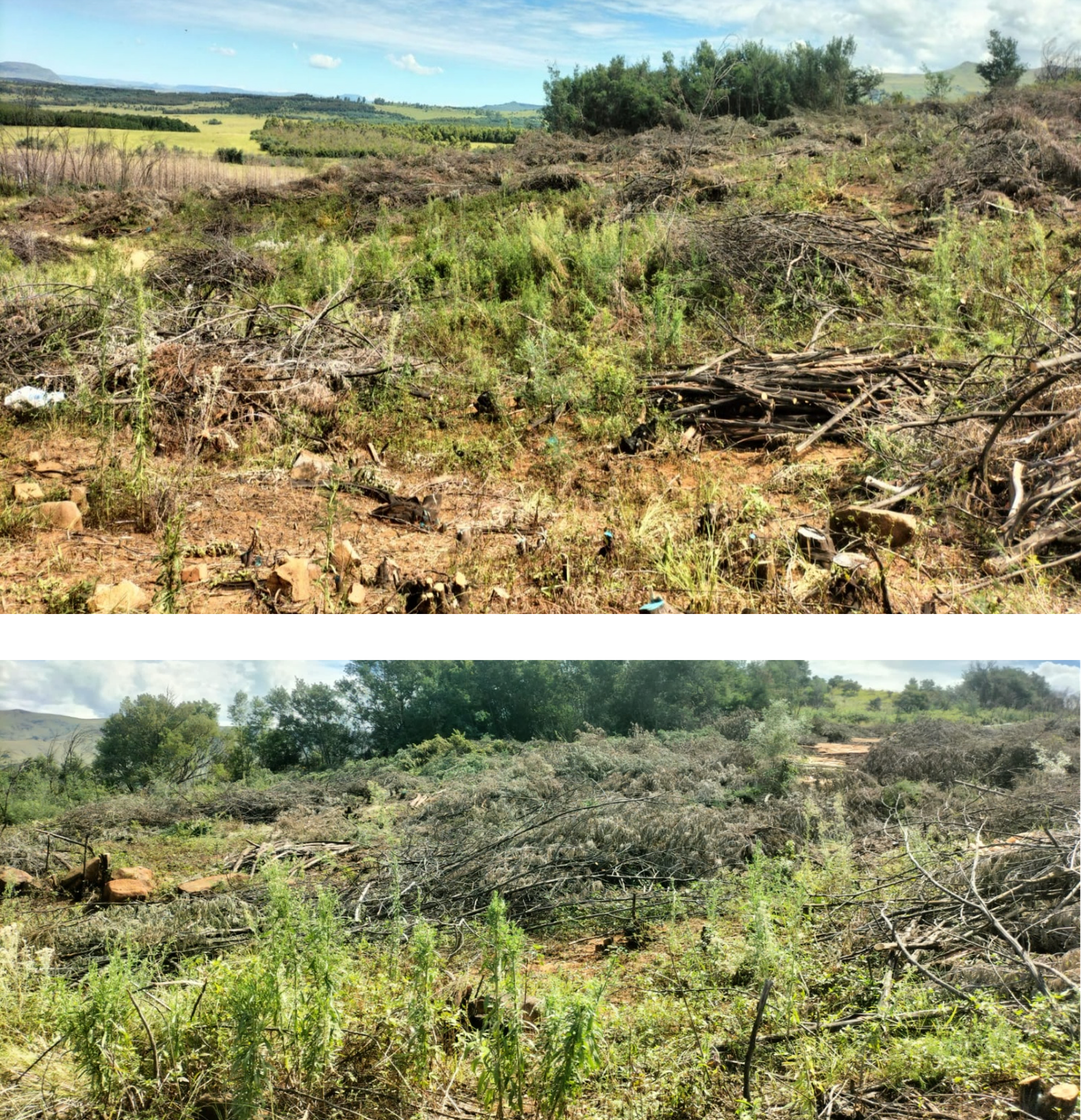
One of the programme’s early restoration successes can be seen at Tywfelhoek Farm near Newcastle, along the KwaZulu-Natal and Free State border. Over a two-month period, 44.3 hectares of invasive wattle infestations were cleared, creating conditions for natural grassland recovery. Encouragingly, indigenous grasses have begun re-establishing without the need for reseeding, largely due to favourable soil conditions and previous land management practices. Grazing pressure has been carefully limited during the recovery phase to allow veld regeneration, while ongoing monitoring focuses on invasive regrowth, erosion risks and the long-term restoration of productive grazing land. The project demonstrates how ecological restoration can simultaneously improve biodiversity outcomes, water-related ecosystem services and rangeland productivity.

Strategic Biodiversity Stewardship and Protected Area Expansion

Alongside restoration activities, the project contributes to broader conservation objectives through biodiversity stewardship and protected area expansion. A key focus is supporting the proposed Northern Drakensberg Biosphere Reserve, helping to advance South Africa’s contribution to the global 30×30 target of conserving 30% of land and biodiversity by 2030.

Priority areas for stewardship and protection are selected based on their ecological significance and contribution to landscape resilience. These include threatened ecosystems and vegetation types, high biodiversity priority areas, Strategic Water Source Areas, wetlands and springs, and critical habitats that support threatened species. By securing these areas through formal conservation mechanisms, the project aims to strengthen ecological connectivity while safeguarding the natural infrastructure that underpins water security and biodiversity conservation.

Clearing of invasive wattle infestations at Tywfelhoek Farm

Small Grants Programme

To expand restoration efforts beyond individual project sites, ReLISA and UNDP are establishing a Small Grants Programme that will support land users in implementing invasive alien plant control and ecosystem restoration activities on their own properties. The programme will provide targeted financial assistance, species-specific herbicides, equipment and personal protective equipment, alongside technical training and implementation support. Particular emphasis will be placed on building local capacity and creating opportunities for women and youth, while introducing innovative tools such as drone-assisted clearing technologies. The programme also provides a platform for exploring future private-sector investment opportunities, including voluntary carbon market mechanisms that could help sustain restoration activities over the long term.

Partners

Endangered Wildlife Trust (EWT), UNDP, Department of Water and Sanitation (DWS), C4 EcoSolutions, Unique, UNESCO, participating landowners, traditional authorities, local communities.

GPS

-29.4658, 29.2669

Lead Partner(s)

EWT

Biome

Grassland

Hectares

~1,000,000 ha

Land Use (%)

Montane grassland

People/Households
Dependent

~369,370

Protected
Areas (%)

~10% protected

Ecosystem
Services

Water supply, carbon storage, soil stabilization

Strategic Water
Source

Yes

Degradation
Challenges

Erosion, overgrazing, invasives

Restoration Actions

Grass reseeding, alien clearing, grazing management

Economic Opportunities

Water funds, jobs, eco-tourism

SDG Links

SDG 6, 13, 15, 2, 7

Investment Potential

PES, water fund, grassland carbon

Heritage Sites

uKhahlamba Drakensberg Park WHS (Cultural & Natural)

Join partners, practitioners, and supporters working to restore South Africa’s landscapes.

Close Search Window
↑