Home » Our Project Sites » Limpopo » Western Soutpansberg

Western Soutpansberg

Restoring Mountain Catchments for Water, Biodiversity and Resilient Landscapes

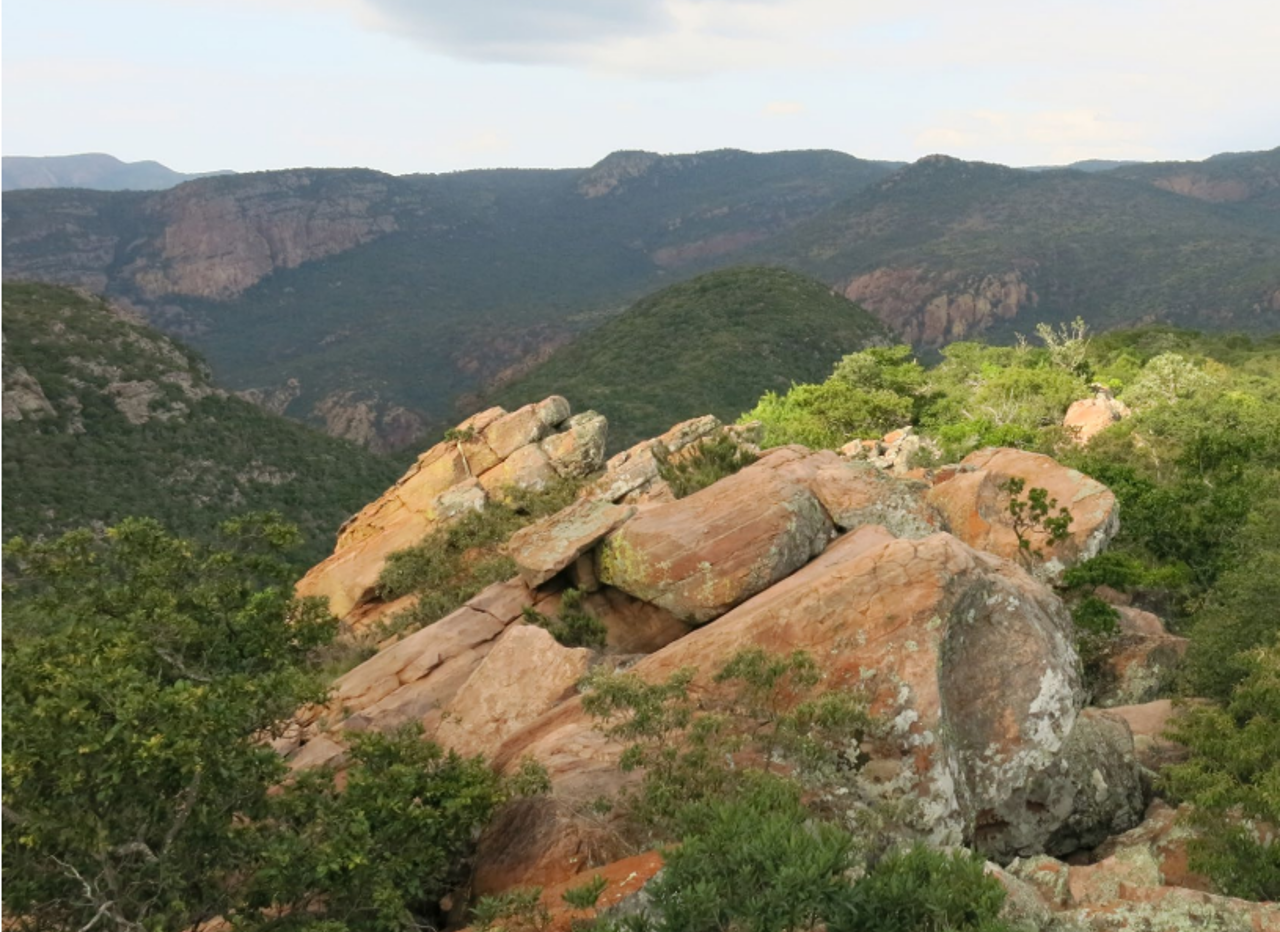
The Western Soutpansberg landscape is characterised by steep, rugged mountain terrain that supports important water-producing ecosystems, biodiversity-rich habitats and wildlife-based land uses. The challenging topography limits opportunities for intensive agriculture, making conservation-compatible land management the most appropriate and sustainable use across much of the landscape.

Most properties in the area are relatively small and are managed as mixed-use rangeland systems that combine livestock production, wildlife management and nature-based tourism. Land uses include integrated cattle-and-wildlife operations, wildlife and game farming enterprises, eco-tourism ventures and, in some cases, disease-free buffalo breeding programmes operating under strict biosecurity controls. Together, these activities contribute to local livelihoods while maintaining much of the landscape’s ecological integrity.

Within the ReLISA project, restoration efforts are focused on improving ecosystem functioning, securing important water resources and supporting long-term conservation outcomes across the Western Soutpansberg.

Why the Landscape Matters

The mountains of the Western Soutpansberg contain important wetlands, streams and riparian systems that contribute to the Sand River system and the broader Limpopo River catchment. These ecosystems provide critical water-related services for downstream communities, agricultural users and natural ecosystems.

The landscape also supports high levels of biodiversity and ecological connectivity, making it an important area for conservation planning and protected area expansion. Maintaining healthy mountain catchments is essential for sustaining water flows, reducing erosion, supporting wildlife and strengthening climate resilience across the region.

Restoration Targets

ReLISA partners are working towards two complementary restoration objectives:

These targets recognise that ecological restoration and long-term conservation must work together to secure lasting landscape-scale outcomes.

Alien Invasive Plant Clearing and Ecological Restoration

A major focus of the programme is the control of invasive alien plant species, particularly eucalyptus and wattle trees that have established in sensitive riparian areas and wetlands. These species consume large quantities of water, displace indigenous vegetation and alter natural ecosystem processes.

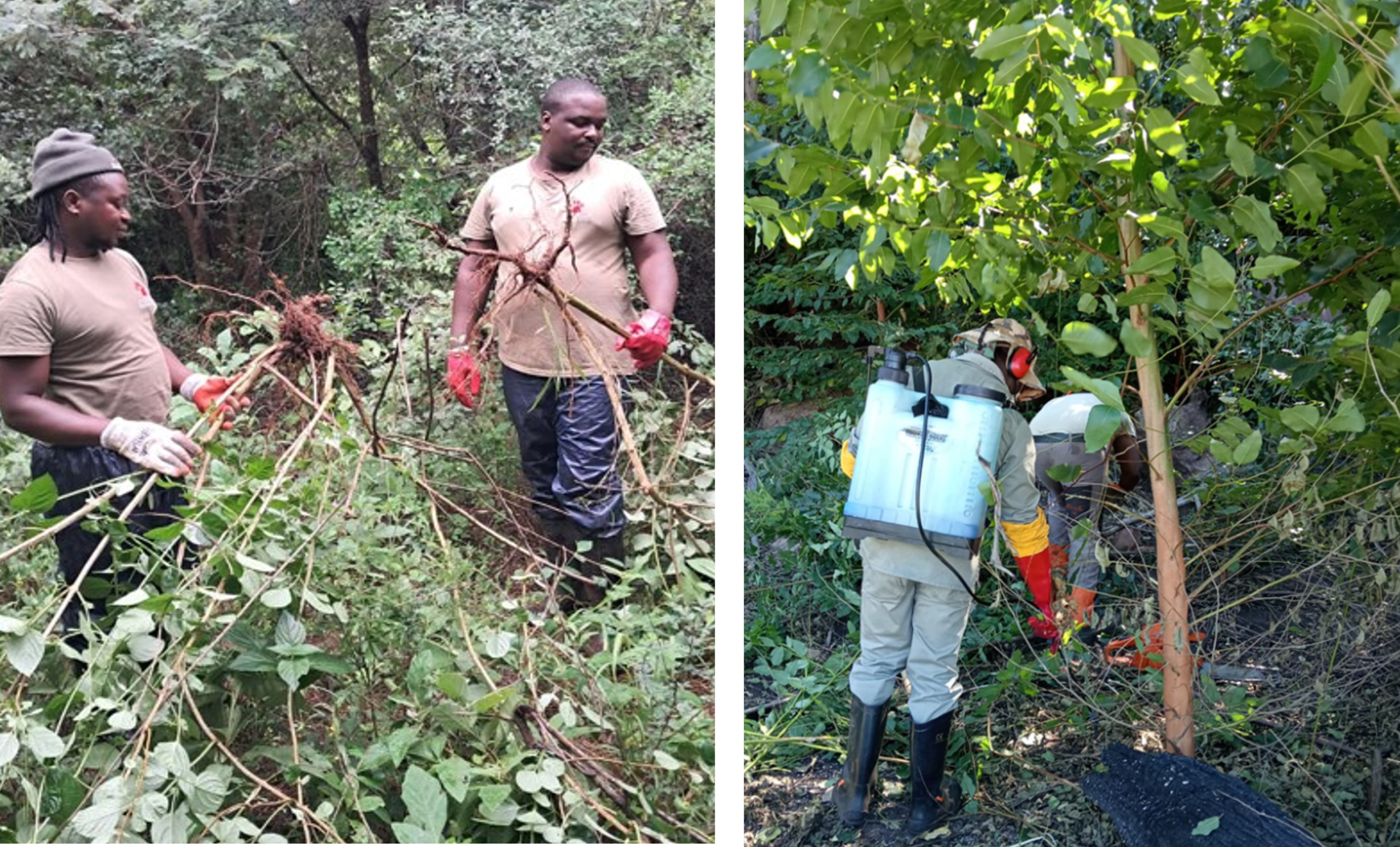
To date, restoration teams have cleared approximately 42 hectares of invasive alien plants across five farms within the landscape. Given the steep terrain and sensitive catchment conditions, large eucalyptus trees are not felled immediately. Instead, they are ring-barked and treated internally with herbicide, allowing them to die standing. This approach reduces worker safety risks, minimises soil disturbance and erosion, prevents flood damage caused by moving logs, and helps maintain slope stability while the trees gradually decompose. Restoration does not end with the initial clearing. Regular follow-up operations remove invasive regrowth and ensure that recovering ecosystems are able to re-establish naturally over time.

The benefits of this work are already becoming visible across the landscape. Restoration activities have contributed to improved river flow permanence, wetland recovery and enhanced downstream water provision. By restoring tributaries that feed the Sand River system, the programme is helping to improve water security for both people and ecosystems far beyond the immediate restoration sites.

Image credit: EWT

From Invasion to Recovery: A Wetland Restoration Story

One of the most compelling examples of restoration in the Western Soutpansberg can be seen in previously degraded wetland areas where dense stands of eucalyptus were removed. Before restoration, these invasive trees dominated wetland habitats, suppressing indigenous vegetation and reducing water availability.

Following clearing operations, and aided by natural ecological processes including subsequent fire events, wildlife such as warthogs and bush pigs helped accelerate recovery by disturbing compacted soils and creating favourable conditions for grassland regeneration. The results have been remarkable. Areas that were once heavily invaded now show extensive natural grass cover, improved wetland functioning and increased water movement through streams and drainage lines. The transformation demonstrates how targeted invasive plant control can rapidly restore ecosystem processes and unlock broader benefits for biodiversity and water resources.

Stewardship and Protected Area Expansion

Alongside ecological restoration, the programme is supporting biodiversity stewardship and protected area expansion across the Western Soutpansberg.

Working with landowners, partners are developing stewardship agreements that balance conservation objectives with productive land uses, including livestock production, wildlife management and tourism enterprises. Importantly, protected environment declarations under the National Environmental Management: Protected Areas Act (NEMPAA) do not prohibit existing grazing or cropping activities, allowing conservation and livelihoods to coexist within the same landscape.

Current discussions are exploring the declaration of an additional 4,600 hectares of protected environments, contributing towards the broader target of securing 30,000 hectares of formally protected land connected to the Soutpansberg Nature Reserve. These efforts aim to strengthen ecological connectivity, protect important water-producing ecosystems and support the long-term resilience of the landscape.

Building Local Restoration Capacity

Long-term restoration requires local skills and implementation capacity. To support this objective, the programme has established a permanent four-member invasive alien plant clearing team, providing employment while building specialist restoration expertise within the region. Team members have received training in chainsaw operations, chemical handling and occupational health and safety procedures. Future efforts aim to further expand implementation capacity and create opportunities for additional community members to participate in restoration activities.

Image credit: EWT

Long-Term Outlook

The ecological gains achieved through restoration will require continued management and follow-up interventions to ensure their long-term success. Ongoing efforts are therefore focused on sustaining restoration momentum, supporting local implementation capacity and protecting recovering ecosystems from reinvasion.

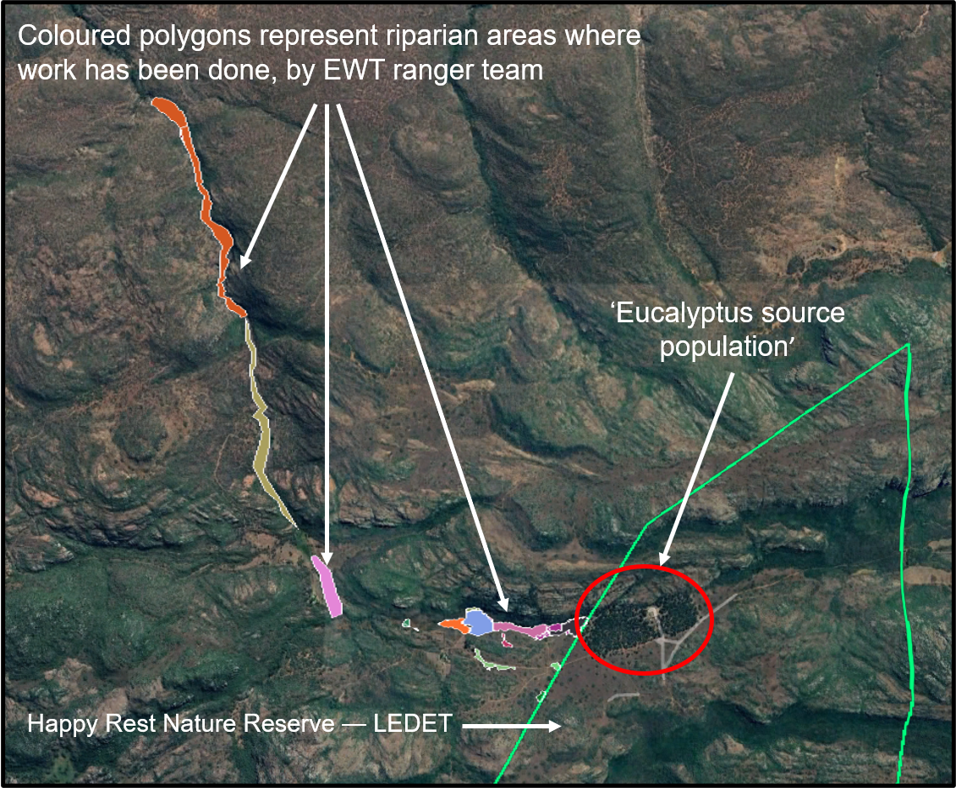
A key priority is addressing eucalyptus source populations located within the nearby Happy Rest Nature Reserve. These trees continue to produce seed that can disperse downstream into restored riparian areas, potentially undermining restoration gains over time. For this reason, ongoing engagement with relevant authorities is focused on developing a long-term approach to managing and clearing these source populations, thereby improving the effectiveness and sustainability of restoration efforts throughout the catchment.

At the same time, stewardship discussions continue with landowners and conservation authorities to ensure that future protected area declarations are ecologically coherent, practically implementable and supported by sustainable long-term management arrangements.

Image credit: EWT

Partners

Endangered Wildlife Trust (EWT), Limpopo Department of Economic Development, Environment and Tourism (LEDET), participating landowners, local communities, conservation authorities.

GPS

-22.8521, 29.9055

Lead Partner(s)

EWT

Biome

Savanna

Hectares

178,941 ha (WSNR: 11,607 ha; target 50,000 ha by 2030)

Land Use (%)

Natural 82%; Cultivation 11%; Plantation 1%; Urban 1%

People/Households
Dependent

Supports rural settlements & farming in Vhembe District

Protected
Areas (%)

14% of SWSA protected; WSNR 100% protected

Ecosystem
Services

Biodiversity hotspot, water regulation, soil fertility

Strategic Water
Source

N/A

Degradation
Challenges

Overgrazing, agriculture expansion, mining

Restoration Actions

Alien plant removal, bush encroachment control, sustainable land-use

Economic Opportunities

Eco-tourism, community conservation enterprises

SDG Links

SDG 6, 13, 15, 8, 11

Investment Potential

Stewardship & expansion finance, invasive clearing jobs, groundwater recharge, carbon credits

Heritage Sites

Mapungubwe Cultural Landscape (nearby WHS)
Thate Vonde Sacred Forest (holy Lake Fundudzi)

Join partners, practitioners, and supporters working to restore South Africa’s landscapes.

Close Search Window
↑