GPS
-29.4658, 29.2669
Lead Partner(s)
EWT
Biome
Grassland
Hectares
~1,000,000 ha
Land Use (%)
Montane grassland
The Northern Drakensberg Carbon Project is investigating how carbon finance can support large-scale grassland restoration, sustainable agricultural management and long-term conservation within one of South Africa’s most important Strategic Water Source Areas.
The initiative began as a pre-feasibility assessment and is now progressing into a full feasibility phase, which will include additional soil sampling, technical assessments and further investigation of the landscape’s carbon sequestration potential. Covering an Area of Interest of approximately 585,000 hectares, the project focuses on improving the management of grassland and agricultural systems in ways that increase soil organic carbon, generate carbon removals and emissions reductions, and strengthen the resilience of farming systems to climate change.
Unlike many carbon projects that focus on forests or tree planting, the Northern Drakensberg initiative centres on grassland rangeland management within a predominantly commercial cattle and cropping landscape. Although much of the region’s grassland remains intact, decades of grazing pressure, invasive alien species and climate-related degradation have reduced ecosystem condition in some areas, creating opportunities for restoration through improved land management.
The project is assessing interventions based on Improved Grassland Management (IGM) and Improved Agricultural Land Management (IALM). These approaches focus on strengthening grazing and fire management practices, improving soil health, restoring ecosystem function and increasing the amount of carbon stored in grassland soils and root systems. While carbon accumulation in grasslands is generally slower and less visible than in forest systems, healthy grasslands can store significant amounts of carbon below ground while simultaneously delivering a range of environmental and agricultural benefits.
One of the primary objectives of the feasibility work is to determine whether the Northern Drakensberg can support a high-integrity carbon project capable of generating meaningful climate benefits while incentivising improved land stewardship.
Conservative modelling undertaken during the pre-feasibility phase indicates significant potential. At scale, the project could generate between 1.1 million and 3.1 million tonnes of carbon dioxide equivalent (tCO₂e) in net carbon benefits over a 20-year project period. These benefits would be generated through a combination of increased soil carbon storage, improved ecosystem management and reduced greenhouse gas emissions associated with land degradation.
If proven viable, the project could create a long-term financing mechanism that rewards sustainable land management while supporting broader conservation and restoration objectives across the Northern Drakensberg landscape.
The pre-feasibility study identified the Verra VM0042 Improved Agricultural Land Management (IALM) Methodology (Version 2.2 under VCS v4.7) as the most suitable framework for project development.
This methodology was selected because of its strong scientific credibility, rigorous monitoring requirements and alignment with growing demand for high-integrity carbon removal projects. It also provides a pathway for generating Verified Emission Reductions and Removals (VERs) that are recognised within international voluntary carbon markets. Future demand may be further strengthened by South Africa’s emerging Carbon Markets Framework and growing interest from organisations seeking credible nature-based climate solutions.
The project’s transition into the feasibility stage will focus on refining carbon estimates, validating implementation approaches and assessing the financial viability of long-term project development.
The pre-feasibility study assessed whether a carbon project in the Northern Drakensberg is technically viable to justify a more detailed feasibility study and identified the most suitable carbon standards, methodologies and implementation pathways. It also explored potential carbon benefits, biodiversity and water-related co-benefits, implementation risks and opportunities for future certification under climate, community and biodiversity standards.
The project is now progressing into a detailed feasibility phase. This work will refine project boundaries, assess land eligibility, engage participating landowners and stakeholders, and develop the baseline information required for carbon certification.
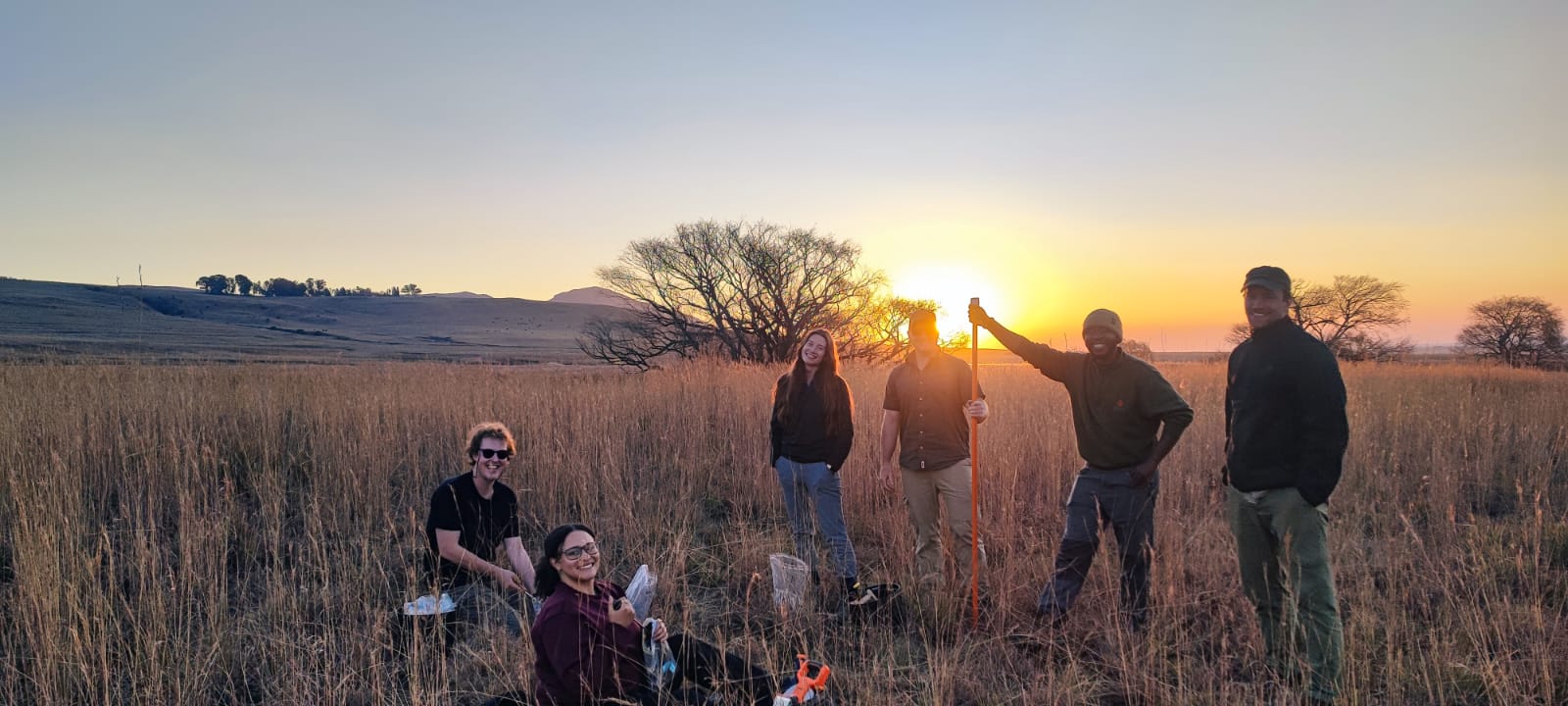
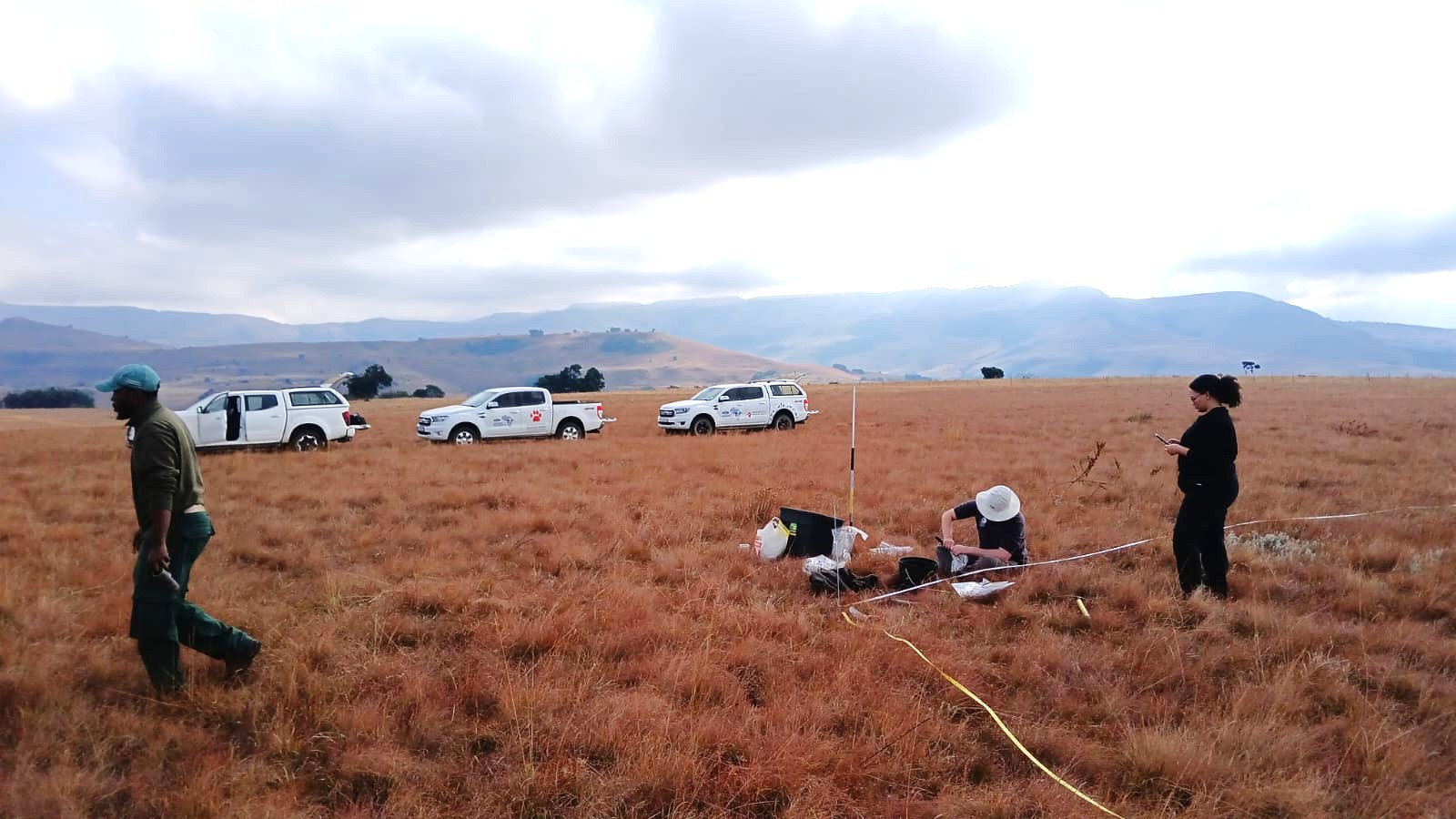
A key component of this next phase is field-based soil sampling and biogeochemical modelling. These activities will improve estimates of soil carbon sequestration potential, strengthen carbon accounting assumptions and provide the scientific evidence required to support future project registration and verification.
The soil samples help to:
The project is exploring whether carbon finance can create a sustainable funding mechanism for large-scale landscape restoration in the Northern Drakensberg.
Rather than relying solely on grant funding, carbon revenues could help incentivise improved grazing and agricultural management practices, support long-term monitoring and stewardship activities, and contribute to the broader vision of establishing the proposed Northern Drakensberg Biosphere Reserve.
By linking restoration outcomes to internationally recognised carbon standards, the project seeks to attract investment into activities that improve soil health, strengthen climate resilience, enhance water security and support biodiversity conservation.
If proven viable, carbon finance could help scale restoration efforts across thousands of hectares while creating a long-term funding stream for conservation and sustainable land management.
While carbon finance is the primary focus of the feasibility work, the project is expected to generate a range of environmental and social co-benefits.
Improved grassland management can contribute to healthier ecosystems, enhanced water security, greater agricultural productivity and increased resilience to drought and climate variability. These outcomes align closely with several Sustainable Development Goals, including those related to food security, education, clean water, climate action and inclusive institutions.
Because the project is located within a Strategic Water Source Area, improved ecosystem condition has the potential to support broader landscape objectives, including better water regulation, reduced erosion and enhanced ecosystem resilience. Potential synergies with invasive alien plant clearing and improved streamflow are also being explored through complementary restoration initiatives within the landscape.
Developing a landscape-scale carbon project requires expertise in ecology, agriculture, carbon accounting, biodiversity conservation, stakeholder engagement and sustainable finance. The project therefore brings together a range of partners, including conservation practitioners, carbon specialists, landowners, technical experts and local stakeholders to ensure that restoration outcomes are scientifically robust, socially appropriate and financially viable.
Partners are additionally investigating opportunities to ensure that future benefits extend beyond participating landowners, including through training, livelihood opportunities and broader support for communities across the proposed Northern Drakensberg Biosphere Reserve.
A key motivation behind the project is the possibility of using carbon finance to support the long-term sustainability of the proposed Northern Drakensberg Biosphere Reserve. By creating incentives for improved land stewardship, the project could help strengthen conservation outcomes while supporting productive agricultural landscapes.
The feasibility work has identified strong potential alignment with the Verra Climate, Community and Biodiversity (CCB) Standard, which would allow biodiversity and community benefits to be incorporated into project design alongside carbon outcomes. The landscape’s high biodiversity value, ecological connectivity and strategic importance for water security also create opportunities to explore emerging biodiversity credit markets in the future.
As the project moves into the feasibility phase, several important questions remain to be addressed. These include the complexity of land tenure arrangements, stakeholder engagement requirements, long-term monitoring obligations and the financial viability of project implementation at scale.
There is also growing interest in investigating complementary financing mechanisms, including a parallel biochar feasibility stream that could create additional value from biomass generated through invasive alien plant clearing. Such approaches may help address restoration challenges that are not easily financed through existing carbon methodologies.
The next phase of work will focus on refining project design, strengthening stakeholder partnerships and determining whether carbon finance can provide a viable pathway for supporting landscape restoration, climate resilience and conservation outcomes across the Northern Drakensberg.
C4 EcoSolutions, Unique Land Use GmbH, EWT, UNESCO, CSIR, participating landowners, conservation partners local communities and stakeholders across the proposed Northern Drakensberg Biosphere Reserve landscape.
GPS
-29.4658, 29.2669
Lead Partner(s)
EWT
Biome
Grassland
Hectares
~1,000,000 ha
Land Use (%)
Montane grassland
People/Households
Dependent
~369,370
Protected
Areas (%)
~10% protected
Ecosystem
Services
Water supply, carbon storage, soil stabilization
Strategic Water
Source
Yes
Degradation
Challenges
Erosion, overgrazing, invasives
Restoration Actions
Grass reseeding, alien clearing, grazing management
Economic Opportunities
Water funds, jobs, eco-tourism
SDG Links
SDG 6, 13, 15, 2, 7
Investment Potential
PES, water fund, grassland carbon
Heritage Sites
uKhahlamba Drakensberg Park WHS (Cultural & Natural)