GPS
-24.0732, 28.1420
Lead Partner(s)
UNESCO, CSIR, C4ES, Unique
Biome
Savanna
Hectares
894,041 ha
Land Use (%)
Natural 93%; Cultivation 3%; Plantation 1%; Urban 1%
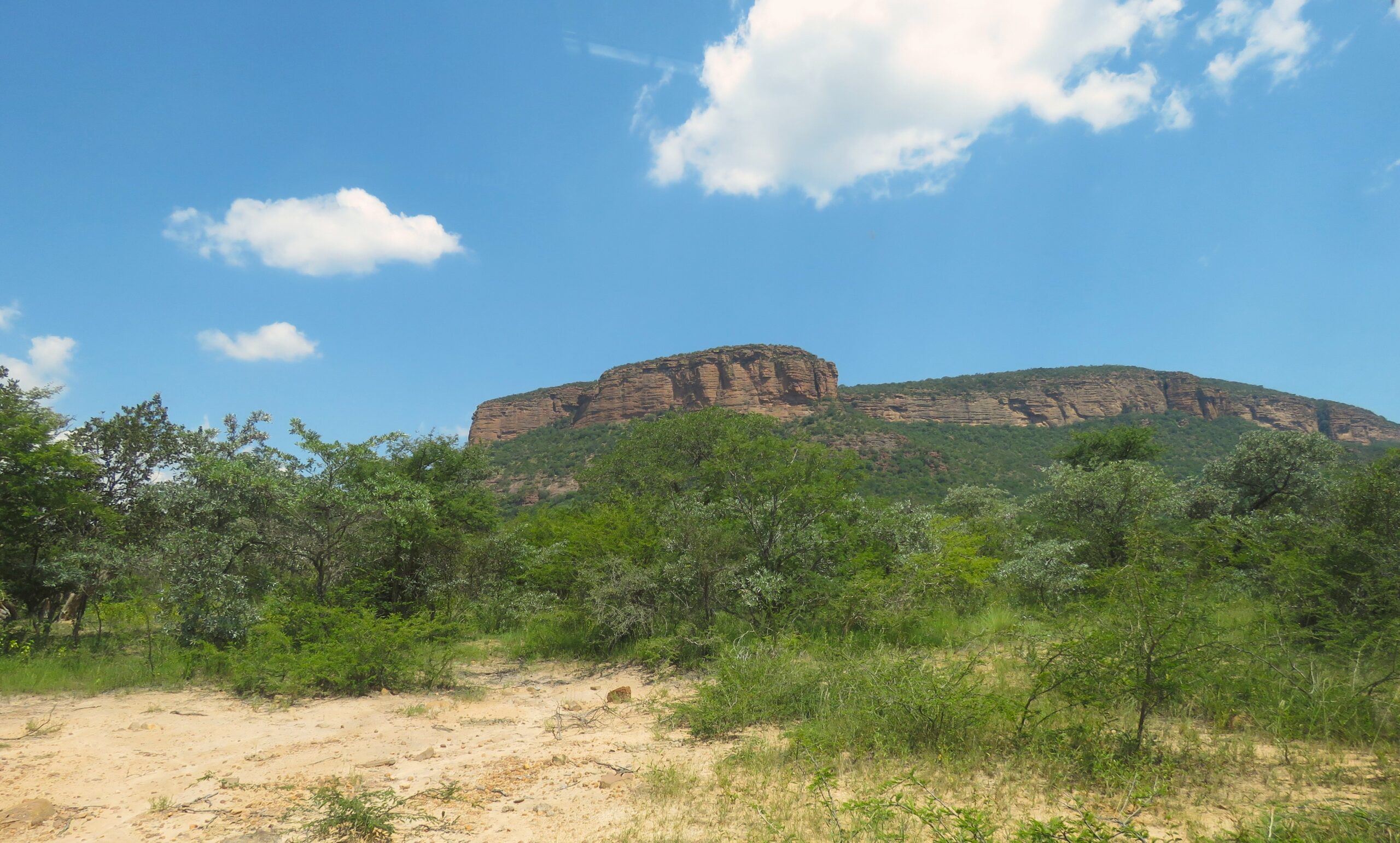
The Waterberg plateau is a landscape of exceptional ecological, cultural and economic importance. Recognised as both a UNESCO Biosphere Reserve and one of South Africa’s Strategic Water Source Areas, it plays a vital role in sustaining ecosystems, people and economic activities across the Limpopo Basin. Yet increasing bush encroachment and land degradation threaten the health and productivity of this vital landscape. Through ReLISA, partners are working with local communities to restore degraded ecosystems, improve grazing lands and strengthen long-term resilience. From innovative biochar financing to community-led restoration, the Waterberg is becoming a flagship landscape for testing solutions that deliver benefits for people, nature and climate.
Rising above the Limpopo Basin, the Waterberg Biosphere Reserve is one of South Africa’s most significant living landscapes. Recognised under UNESCO’s Man and the Biosphere Programme, this vast savanna ecosystem supports exceptional biodiversity, sustains rural livelihoods, underpins a thriving wildlife economy, and plays a critical role in securing water resources for people, agriculture and industry.
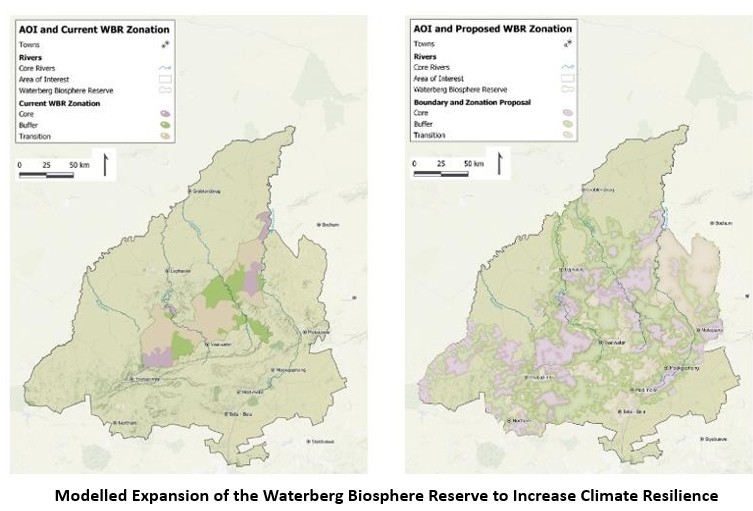
Covering more than 662,000 hectares, the Waterberg Biosphere Reserve is managed through three interconnected zones that balance conservation and sustainable development:
The Waterberg is also one of South Africa’s most important ecological strongholds, providing habitat for diverse wildlife and supporting ecosystem services that extend far beyond its boundaries. Yet, like many landscapes across southern Africa, it faces increasing environmental pressures that threaten its ability to sustain both nature and people. Through ReLISA, partners are working to restore degraded ecosystems, strengthen sustainable land management and unlock new opportunities for communities to benefit from healthy, resilient landscapes.
The Waterberg is more than a Biosphere Reserve. It is also one of South Africa’s 21 Strategic Water Source Areas (SWSAs) – landscapes that generate and regulate a disproportionately large share of the country’s surface and groundwater resources.
Water originating in the Waterberg supports a wide range of economic activities, including wildlife tourism, livestock farming, subsistence agriculture, mining and energy production. Reliable water supplies are essential for major industries in the region, including coal and platinum mining operations, as well as the Matimba and Medupi power stations. Despite its ecological and economic importance, the Waterberg lies within the semi-arid zone of southern Africa, where water resources are inherently vulnerable. Protecting and restoring the ecosystems that regulate water, support biodiversity and sustain livelihoods is therefore critical for the long-term resilience of the region.
Across parts of the Waterberg, ecological processes that have shaped the landscape for centuries are becoming increasingly disrupted. Land degradation is reducing the capacity of ecosystems to provide essential services, with consequences for biodiversity, water security and local livelihoods.
Key environmental challenges include:
Together, these pressures weaken critical ecosystem services, including:
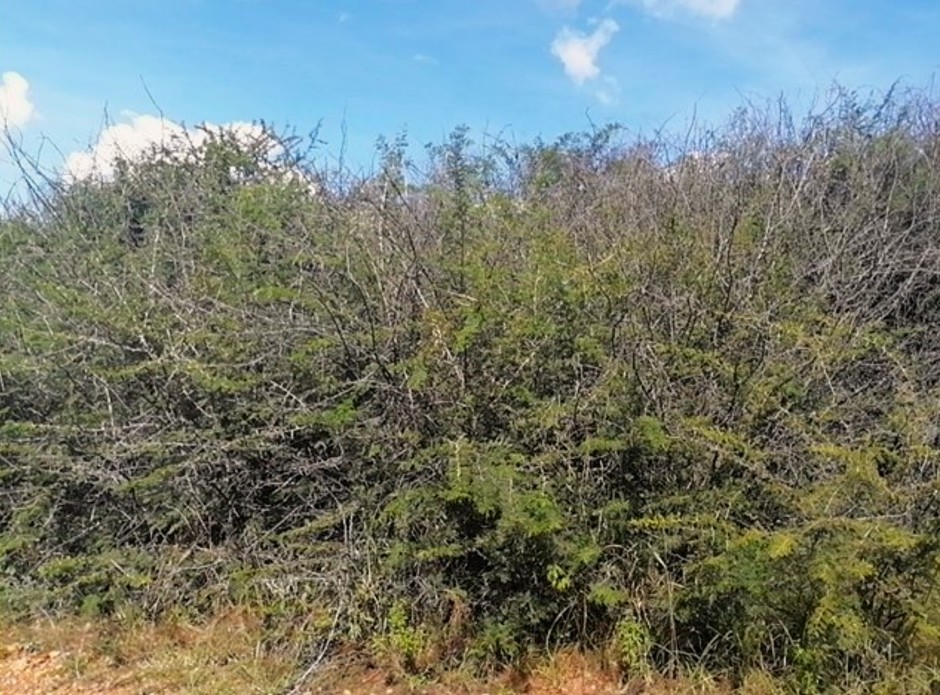
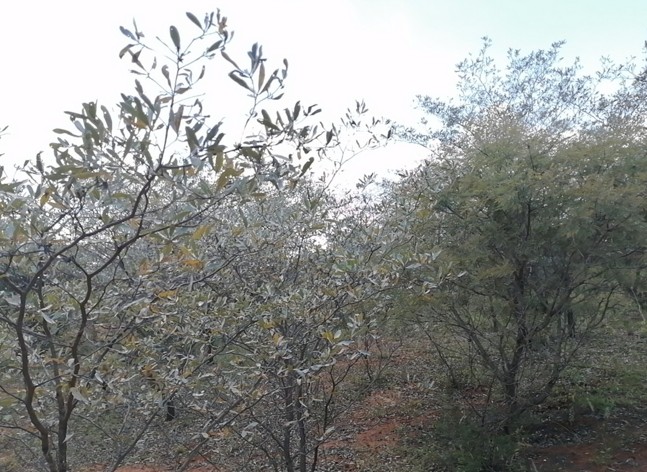
One of the most significant challenges facing the Waterberg is bush encroachment. Dense stands of species such as Dichrostachys cinerea (sickle bush) and Terminalia sericea (silver cluster-leaf) increasingly dominate parts of the landscape, restricting grazing opportunities, reducing biodiversity, increasing wildfire risk under extreme conditions and limiting the provision of important ecosystem services.
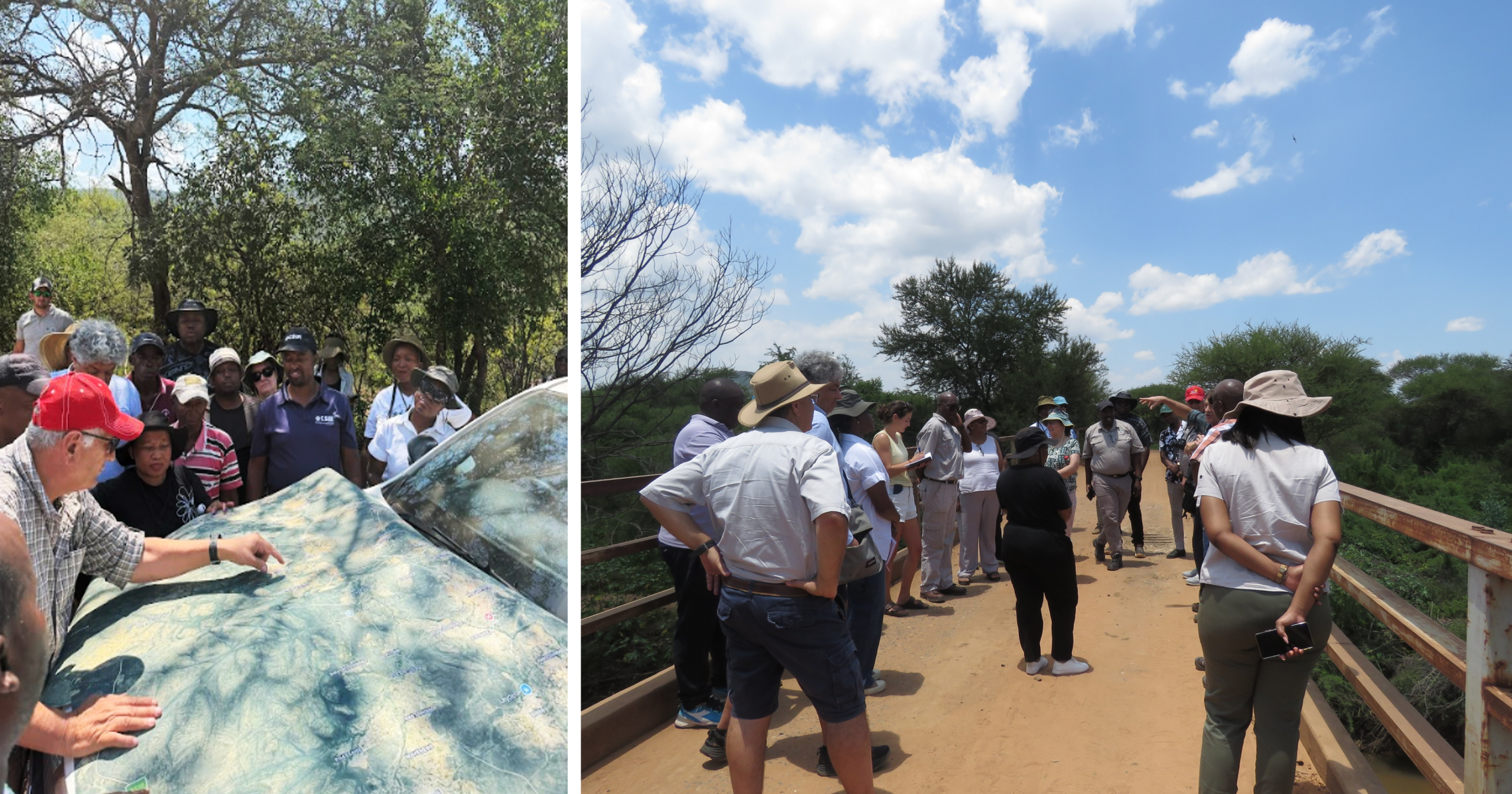
ReLISA is working with partners to better understand where restoration can deliver the greatest ecological and socio-economic benefits across the Waterberg landscape. Using remote sensing, GIS analysis and field verification, the project is identifying priority restoration areas where interventions can improve ecosystem functioning while supporting local livelihoods. A particular focus is an approximately 80,000-hectare landscape stretching from the Waterberg escarpment down to the Mogalakwena River within the wider Limpopo Basin. This area contains extensive bush-encroached rangelands, degraded agricultural lands and important ecological corridors that present significant opportunities for restoration. Working alongside local communities and landowners, ReLISA is helping to build a stronger understanding of how restoration can contribute to improved water security, enhanced grazing productivity, biodiversity conservation and climate resilience.
The story of restoration in the Waterberg is also a story about people and their connection to the land.
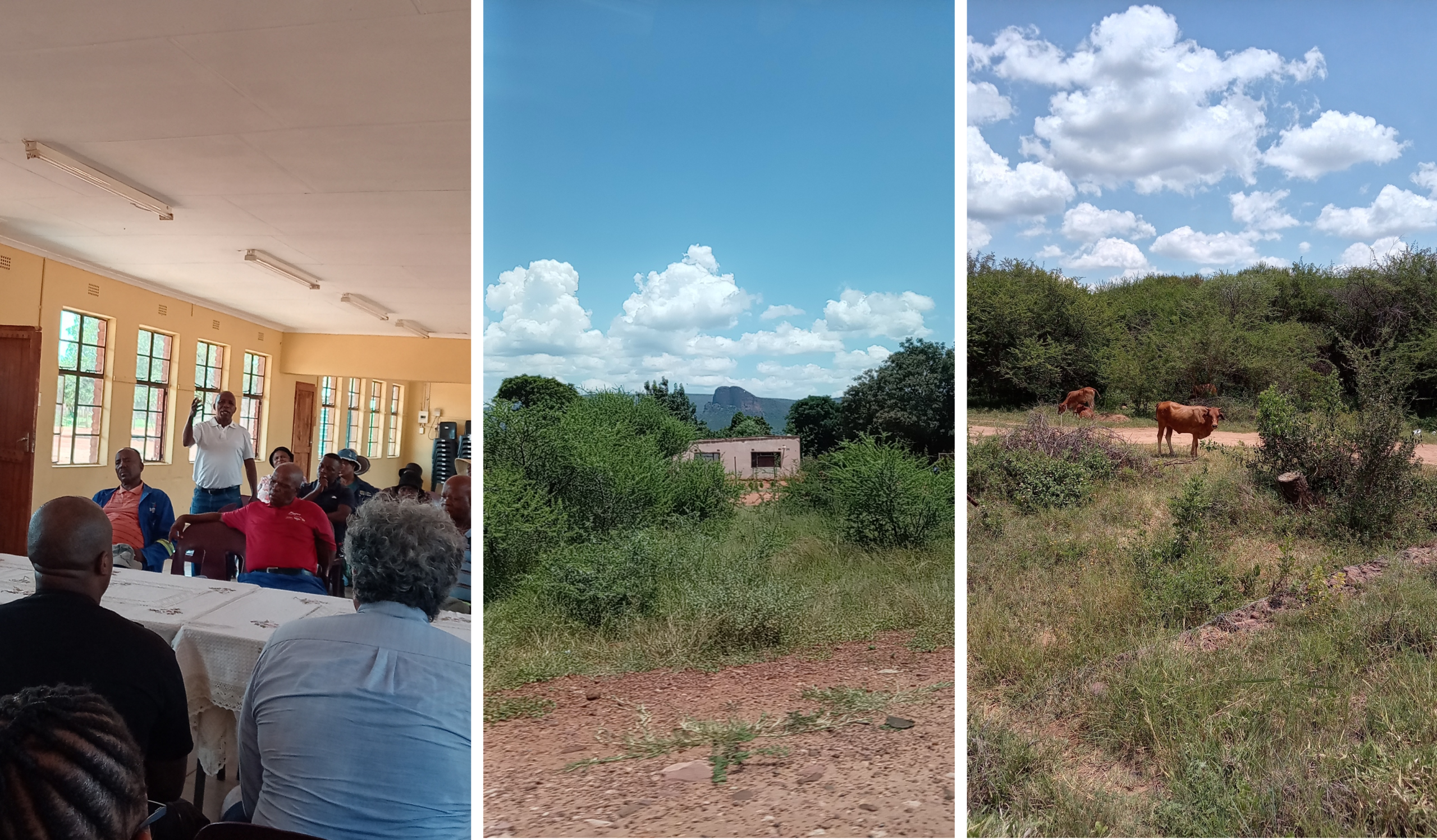
Along the northern boundary of the Biosphere Reserve, more than sixty villages are home to communities whose histories are closely tied to this landscape. Many families were forcibly relocated to the area during the apartheid-era homeland system and continue to rebuild livelihoods while strengthening their role as custodians of the land.
ReLISA is working closely with Community Property Associations (CPAs) and local communities that have successfully reclaimed significant areas of ancestral land. One such example is Moepel Farm, where community members have regained access to approximately 28,000 hectares of land. Parts of this land have been heavily affected by bush encroachment, while former agricultural fields along the Mogalakwena River—once used for subsistence farming before severe droughts in the 1990s—remain underutilised despite their productive potential.
Through collaboration with research partners, advanced remote sensing analyses have identified approximately 30,000 hectares within the broader project area showing signatures of significant bush encroachment. Restoring these landscapes could substantially improve grazing productivity, support livestock farming and create opportunities for more diversified agricultural activities in the future. If restored and appropriately managed, these areas could once again support productive mixed farming systems while improving ecosystem health and resilience across the wider landscape.
The Waterberg is also emerging as an important testing ground for innovative approaches to financing landscape restoration. Traditionally, restoration finance has often relied on carbon-credit methodologies linked directly to land management activities. In the Waterberg, partners are exploring a different approach: using biomass generated through invasive plant clearing to produce biochar.
Biochar is a stable form of carbon created by heating organic material under controlled conditions. When incorporated into soils, it can improve soil quality, increase water retention and store carbon for extended periods.
The Waterberg pilot will assess whether biomass from invasive alien plant and bush encroachment clearing can support biochar production using smaller-scale, potentially mobile technologies. Rather than generating carbon revenues through rangeland management itself, the proposed model would explore whether revenues from biochar production could help finance:
As a flagship site for innovation, the Waterberg provides an opportunity to test restoration finance models that could be adapted and replicated in other landscapes across South Africa and beyond.
ReLISA uses nature-based solutions and landscape restoration approaches that seek to address environmental challenges while delivering benefits for people, biodiversity and climate resilience.
Key elements of the approach include:
By combining science, local knowledge and collaborative partnerships, the project aims to demonstrate how restoration can contribute to healthier ecosystems and more resilient communities.
During the project’s inception phase, partners are establishing the scientific, social and institutional foundations needed for long-term restoration success.
Activities include:
These activities will help ensure that restoration interventions are evidence-based, locally supported and aligned with broader conservation and development priorities.
Building on the outcomes of the inception phase, partners aim to expand restoration efforts and strengthen the long-term sustainability of the Waterberg Biosphere Reserve.
Future priorities include:
Restoring a landscape as large and complex as the Waterberg requires collaboration across sectors, disciplines and communities. The ReLISA project brings together conservation organisations, research institutions, government agencies, local communities and international partners to support long-term landscape restoration.
Key partners include:
Together, these partners are helping to build a future in which ecological restoration strengthens both the resilience of the Waterberg landscape and the wellbeing of the people who depend upon it.
GPS
-24.0732, 28.1420
Lead Partner(s)
UNESCO, CSIR, C4ES, Unique
Biome
Savanna
Hectares
894,041 ha
Land Use (%)
Natural 93%; Cultivation 3%; Plantation 1%; Urban 1%
People/Households
Dependent
Supports Mokolo/Limpopo catchments; game ranching & tourism
Protected
Areas (%)
8% protected
Ecosystem
Services
Water supply, carbon storage
Strategic Water
Source
Yes
Degradation
Challenges
Overgrazing, deforestation, land fragmentation
Restoration Actions
Water stewardship, catchment rehab, sustainable grazing
Economic Opportunities
Water funds, biodiversity credits, eco-tourism
SDG Links
SDG 6, 13, 15, 8
Investment Potential
Rangeland restoration, ecotourism, biodiversity credits
Heritage Sites
None