GPS
-31.6157, 29.5335
Lead Partner(s)
C4ES, Unique
Biome
Grassland
Hectares
Not a single boundary –
Pondoland Centre of Endemism is approx. 180,000 ha
Land Use (%)
Communal rangelands, reserves
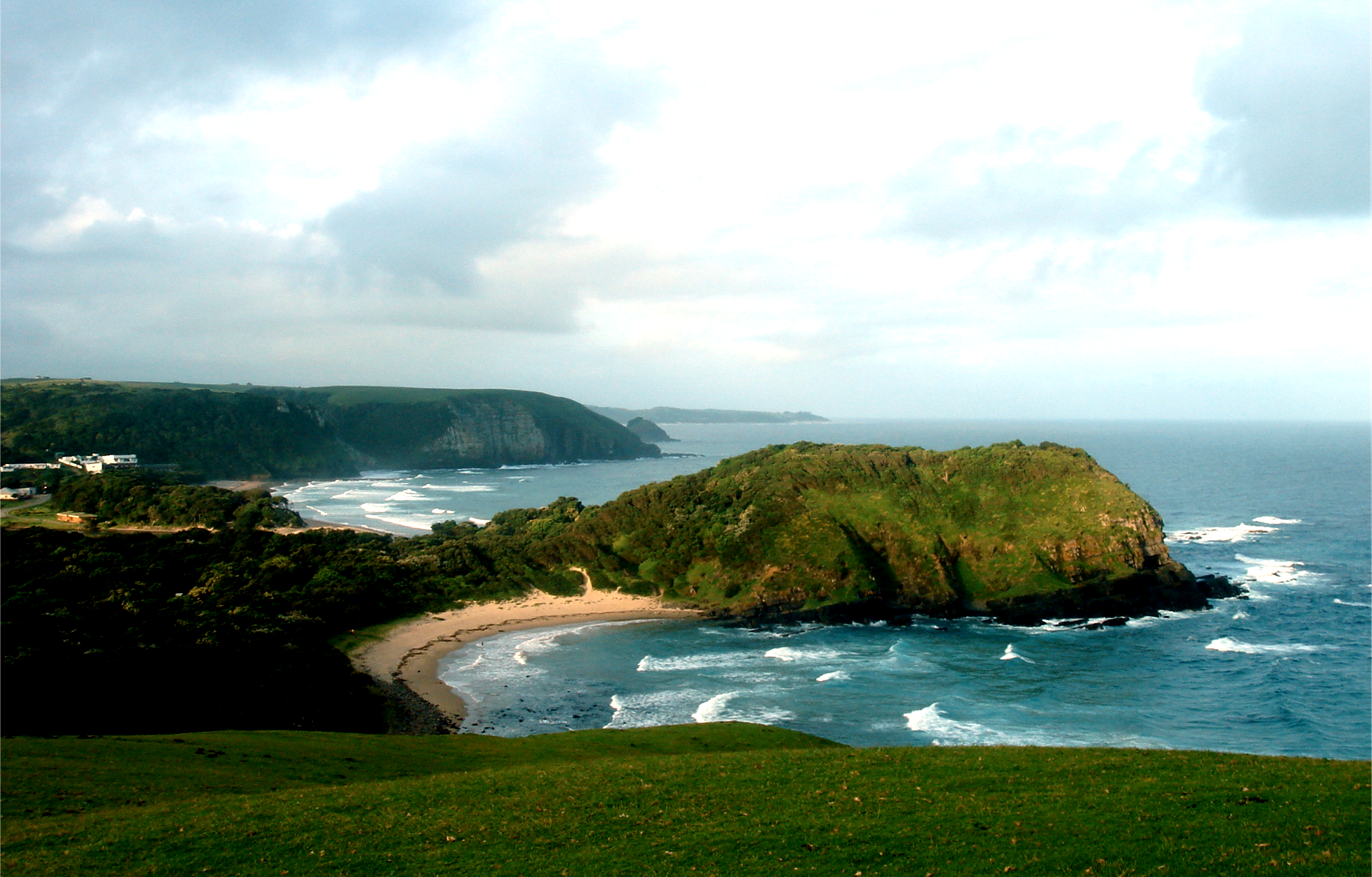
Stretching along South Africa’s Eastern Cape coastline, the Wild Coast is one of the country’s most distinctive and ecologically significant landscapes. Part of the globally recognised Pondoland Centre of Endemism, the region contains an exceptional diversity of grasslands, forests, rivers, wetlands and marine ecosystems that support both biodiversity and rural livelihoods.
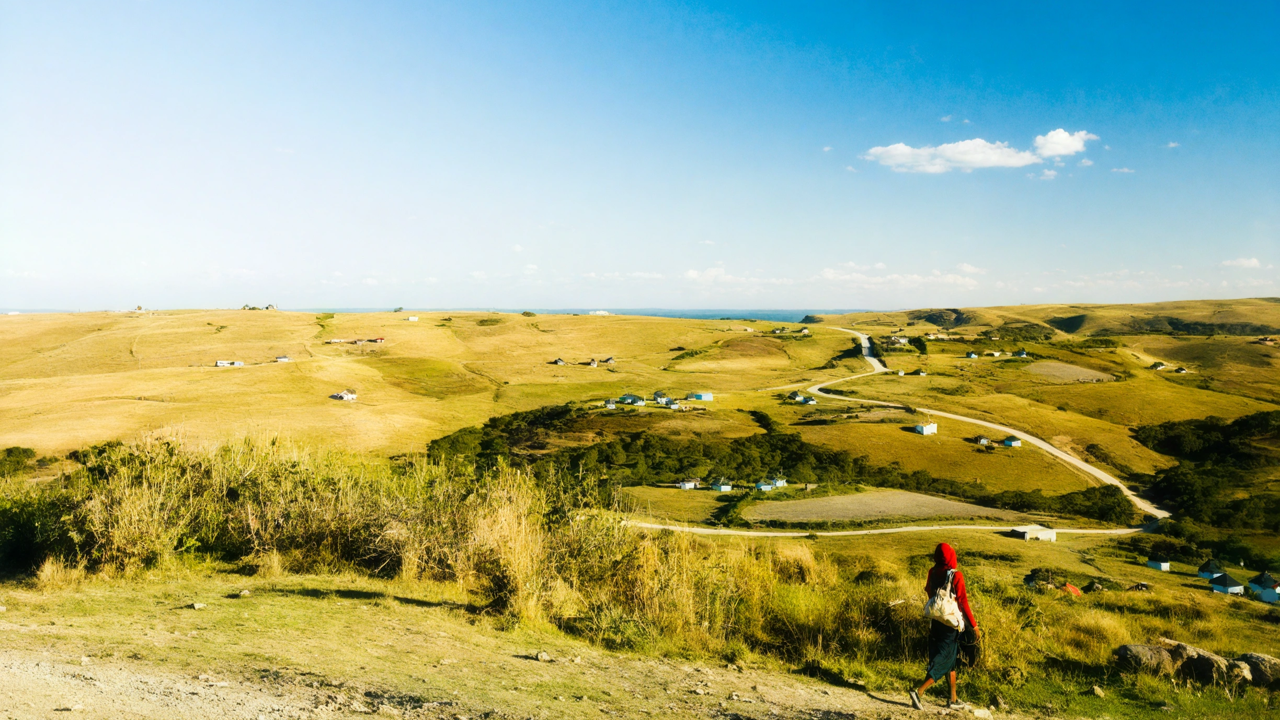
The landscape is also deeply shaped by its people. Generations of communities have relied on livestock, small-scale agriculture, natural resources and cultural connections to the land. Today, however, many households face increasing social and economic pressures, while the ecosystems that underpin local livelihoods are becoming increasingly vulnerable to degradation and climate change. ReLISA partners are exploring how restoration, improved land management and nature-based solutions can contribute to healthier ecosystems, stronger livelihoods and greater climate resilience across the Wild Coast.
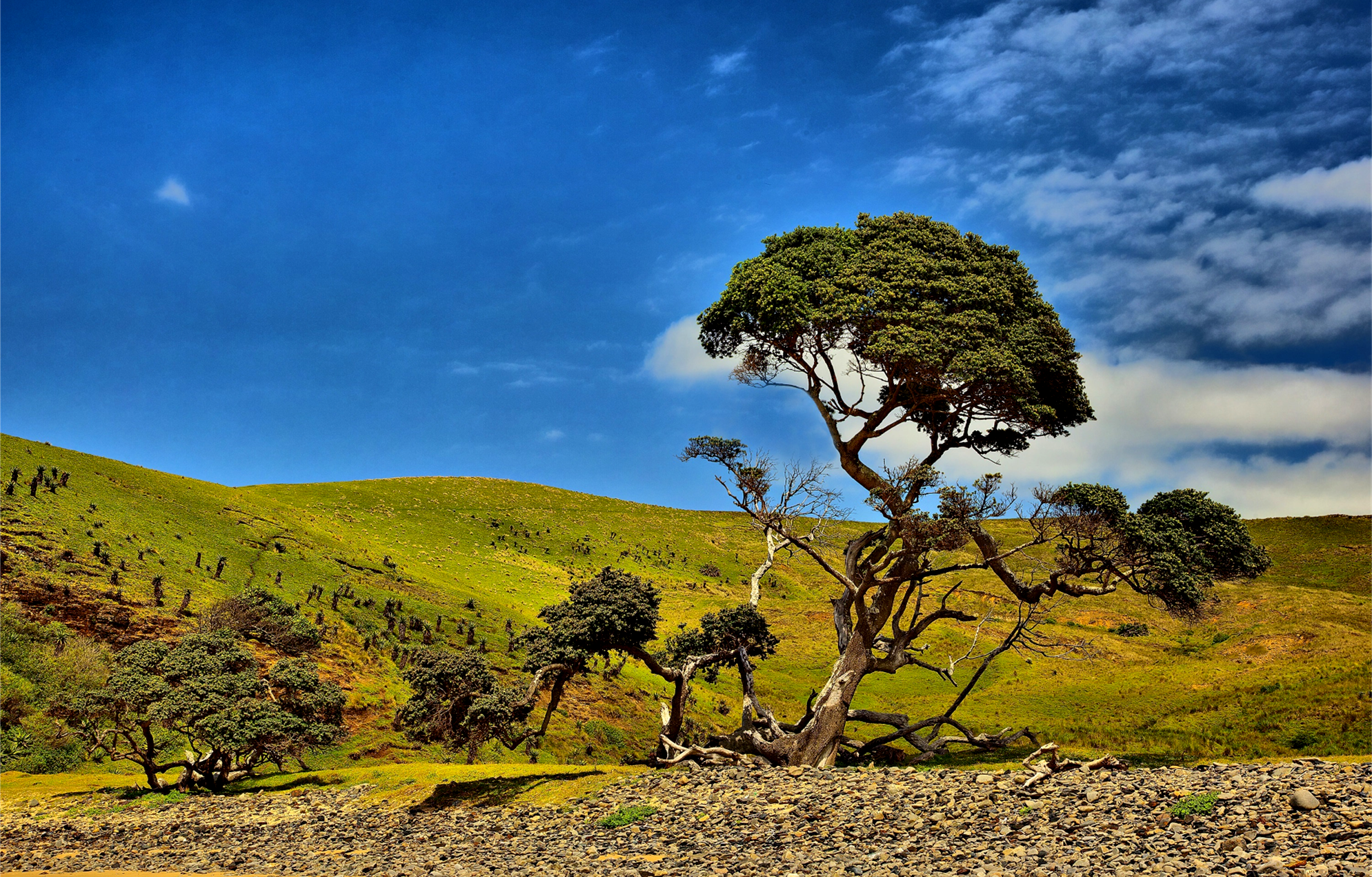
The Wild Coast’s ecological importance extends far beyond its scenic coastline. Its grasslands support grazing systems and water regulation functions, while indigenous forests provide habitat for rare species and contribute to carbon storage, erosion control and watershed protection. Rivers and wetlands connect upland landscapes to coastal and marine ecosystems, supporting biodiversity and helping to sustain local livelihoods.
The region also presents important opportunities for restoration. Large areas of communal rangeland, abandoned agricultural fields and degraded forest margins have the potential to recover ecological function while delivering benefits for food security, water security, biodiversity conservation and climate resilience.
Because of its exceptional biodiversity and strong potential for community benefits, the landscape is also attracting growing interest in restoration financing, climate adaptation and nature-based development approaches. However, any future interventions will need to be grounded in local priorities, practical livelihood realities and a strong understanding of existing land management systems.
The Wild Coast faces a number of interconnected environmental and socio-economic challenges.
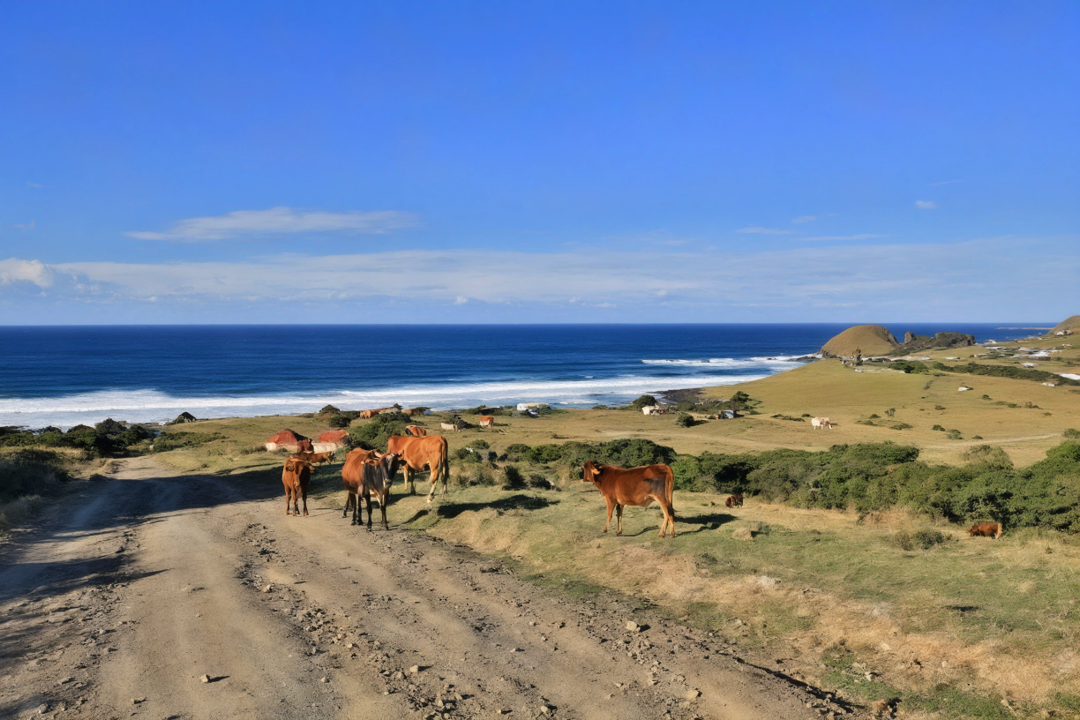
Across communal rangelands, continuous grazing has reduced the abundance of palatable perennial grasses, weakened vegetation cover and contributed to widespread soil degradation. During periods of intense summer rainfall, exposed soils are highly vulnerable to erosion, resulting in extensive sheet erosion and severe gully (donga) formation. The loss of topsoil has depleted soil organic carbon, reduced productivity and weakened the landscape’s ability to retain water. At the same time, unmanaged late-season wildfires and the spread of invasive alien plant species are placing additional pressure on grassland ecosystems, reducing grazing capacity and limiting ecological recovery.
Agricultural systems face a different but related challenge. Across many parts of the landscape, formerly cultivated fields have been abandoned as changing demographics, economic pressures and declining agricultural viability have reduced smallholder production. These abandoned lands often become erosion hotspots, while remaining agricultural areas face increasing exposure to droughts, floods and declining soil health.
The region’s indigenous forests are also under pressure. Forest edges are being degraded by invasive alien plants, uncontrolled livestock access, fire and unsustainable harvesting of forest resources. In many areas, natural forest regeneration is unable to keep pace with ongoing disturbance, resulting in fragmented habitats, declining ecosystem function and degradation of important riverine systems.
The Wild Coast represents one of ReLISA’s most promising and complex landscapes. Rather than implementing predefined interventions, the programme is currently exploring a range of restoration pathways that could improve ecosystem health while generating meaningful benefits for local communities. Current work focuses on understanding landscape conditions, engaging with stakeholders and communities, identifying restoration opportunities, and assessing how nature-based solutions could be implemented in ways that support both ecological and social outcomes.
Three complementary restoration pathways are currently being explored.
Communal rangelands are central to livelihoods across the Wild Coast, making their restoration a priority for both environmental and social reasons. Potential interventions focus on improving grazing management, restoring grassland condition and reducing land degradation.
Options being explored include rotational grazing systems, stocking-density optimisation, prescribed burning programmes, invasive alien plant clearing and the installation of erosion-control structures in degraded areas. Together, these approaches aim to improve vegetation cover, increase soil organic carbon, restore ecosystem function and reduce the risk of catastrophic erosion.
Future monitoring would assess indicators such as hectares under improved grazing management, changes in soil organic carbon, grass biomass production, forage availability, fire frequency, invasive plant recovery rates and reductions in erosion. Improvements in these indicators could contribute to healthier livestock, improved pasture productivity, greater drought resilience and enhanced long-term grazing security for communities.
Alongside rangeland restoration, partners are exploring opportunities to revitalise agricultural landscapes through agroforestry and regenerative farming approaches.
This work is particularly relevant in areas where agricultural fields have been abandoned or where declining soil health limits productivity. Potential interventions include the establishment of windbreaks and boundary plantings, the integration of nitrogen-fixing trees into cropping systems, conservation tillage practices, organic soil amendments and household-scale agroforestry systems.
Agroforestry has emerged as one of the most promising opportunities within the landscape because it can simultaneously improve soil health, reduce erosion, provide protection against wind damage, strengthen food security and diversify household livelihood options.
Potential indicators include tree survival rates, soil moisture retention, soil fertility, crop yields, reductions in synthetic input use, household food production and levels of participation in home-garden agroforestry initiatives. Collectively, these measures would help assess how restoration contributes to more resilient farming systems and improved household wellbeing.
The Wild Coast contains some of South Africa’s most important indigenous forest ecosystems, including the Transkei Coastal Scarp and Pondoland Scarp forests. Restoration opportunities are therefore being explored not only within forests themselves but also across the broader landscape matrix that influences forest health.
Potential interventions include assisted natural regeneration, active enrichment planting, riparian restoration, buffer-zone establishment and analog forestry approaches that mimic the structure and function of natural forest ecosystems. These interventions seek to improve natural regeneration, strengthen ecological connectivity, reduce forest-edge degradation and restore riverine habitats.
Monitoring could focus on indicators such as forest regeneration rates, sapling survival, canopy closure, species diversity, riverbank stability, reductions in water turbidity and increases in biomass and carbon stocks. In addition to biodiversity benefits, these activities could improve water quality, reduce erosion risks, support cultural and medicinal plant resources, and create opportunities linked to eco-tourism and sustainable harvesting of non-timber forest products.
A key component of the Wild Coast work is the development of a strong scientific foundation for future restoration planning.
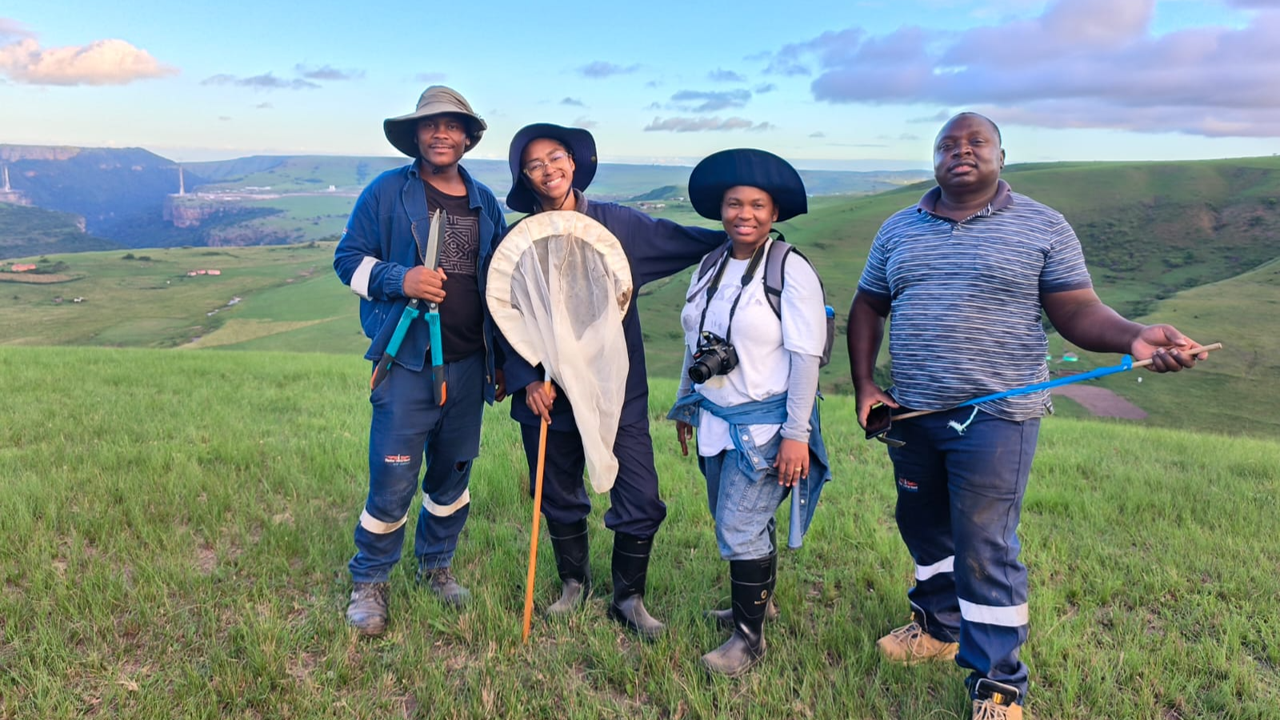
Through ReLISA, baseline monitoring and assessment activities have been undertaken across a range of sites including Lambasi, Mkambati, Mnyameni, Mthentu and Ntentule. These surveys are designed to establish current ecological conditions and track future changes resulting from restoration interventions.
Monitoring activities include soil sampling to assess soil organic carbon, total nitrogen, soil moisture, bulk density and soil texture; vegetation surveys to measure forage quality and herbaceous biomass; and biodiversity assessments focused on plant species composition, insects and bird communities. Together, these data will provide an important evidence base for understanding restoration impacts, informing adaptive management and supporting future monitoring, reporting and verification (MRV) systems.
Beyond ecological monitoring, there is growing interest in building local capacity around restoration science, carbon literacy and community-based monitoring approaches. Opportunities are being explored for training programmes and citizen-science initiatives that enable local stakeholders to participate more actively in restoration planning and monitoring.
The Wild Coast remains in an exploratory phase, with restoration opportunities continuing to be assessed through research, stakeholder engagement and field investigations.
Current efforts focus on understanding local land management practices, livestock pressures, ecosystem conditions and community priorities through household-level, stakeholder-level and institutional discussions. This process is helping partners identify restoration pathways that are both ecologically effective and socially appropriate.
Looking ahead, there is growing interest in understanding how restoration activities could potentially be supported through innovative financing mechanisms, including carbon finance and biodiversity-linked approaches. However, the immediate priority is to develop a shared understanding of restoration opportunities, strengthen partnerships and ensure that future interventions are designed around community needs, biodiversity conservation and long-term landscape resilience.
CSIR, C4ES, Unique Land Use GmbH, conservation organisations, community institutions, local trusts, reserve management authorities and stakeholders across the Wild Coast landscape.
GPS
-31.6157, 29.5335
Lead Partner(s)
C4ES, Unique
Biome
Grassland
Hectares
Not a single boundary –
Pondoland Centre of Endemism is approx. 180,000 ha
Land Use (%)
Communal rangelands, reserves
People/Households
Dependent
Rural HH reliant on rivers/fishing
Protected
Areas (%)
Patchwork reserves
Ecosystem
Services
Coastal biodiversity, cultural value
Strategic Water
Source
No
Degradation
Challenges
Overgrazing, erosion, coastal dev.
Restoration Actions
Grassland rehab, erosion control
Economic Opportunities
Eco-tourism, fisheries, jobs
SDG Links
SDG 1, 2, 6, 8, 14, 15
Investment Potential
Community watershed restoration
Heritage Sites
None