Home » University of Pretoria

University of Pretoria: Strengthening evidence for Grassland and Savanna Restoration

Lead Institution: University of Pretoria

Research Theme: Grassland and Savanna Restoration

Duration: March 2026 – December 2027

Funding: US$80,000

Focus Areas: Soil Carbon, Biodiversity, Grazing Management, Restoration Monitoring

Why This Research Matters

South Africa’s grassland and savanna ecosystems underpin water security, food production, biodiversity conservation and rural livelihoods. They also represent a significant opportunity for nature-based climate solutions and ecological restoration investments.

However, investors, policymakers and land managers often face a common challenge: there is limited empirical evidence demonstrating which restoration approaches deliver measurable environmental, social and economic benefits at scale.

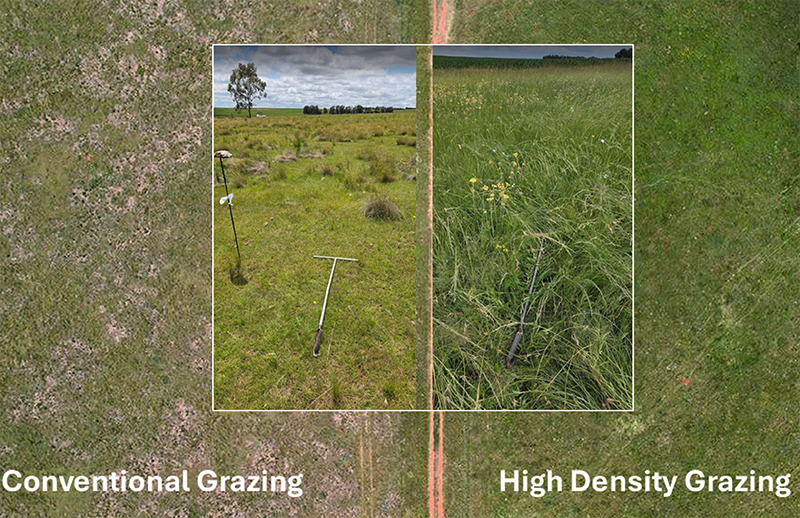
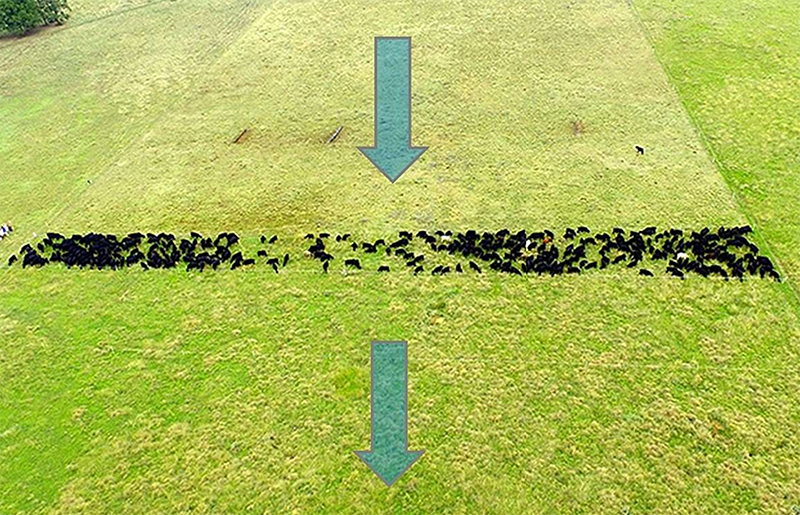
The University of Pretoria’s Fenceline Contrast Studies are helping to address this gap by generating scientific evidence on how different grazing management practices influence ecosystem health, carbon storage and biodiversity.

The Research Question

Can grazing management improve ecosystem health and carbon storage?

The Water Fund approach focuses on interventions that address the root causes of catchment degradation, including invasive alien plant infestations, unsustainable grazing practices, and erosion. By restoring ecosystem function, these interventions can improve water regulation, enhance ecosystem resilience, and reduce risks to downstream water users.

This creates a real-world natural experiment that allows scientists to assess how grazing practices influence:

Research Sites

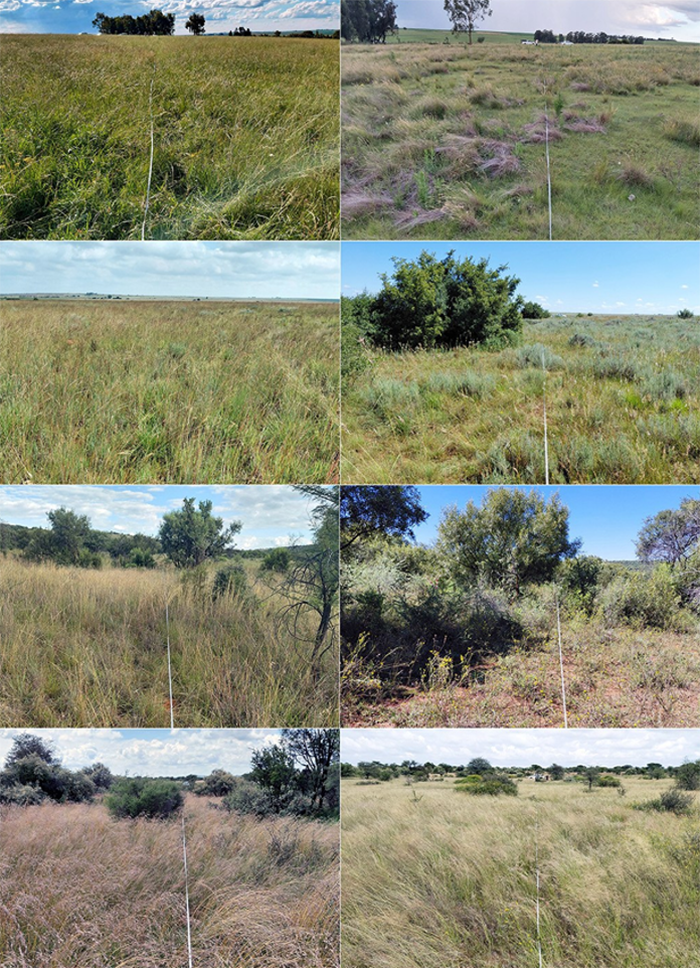
The study is being conducted across six fenceline contrast sites:

At each site, researchers compare land managed under different grazing regimes to understand how management decisions shape ecological outcomes.

Commissioned Research, University of Pretoria, fenceline marking

What is Being Measured?

The study examines how different grazing management approaches influence ecosystem health by measuring three interconnected areas: soil health and carbon storage, biodiversity and vegetation condition, and forage production and quality. Researchers assess indicators such as soil organic carbon, nutrient availability, water infiltration, root biomass and soil structure, alongside changes in grass and forb diversity, species composition, veld condition and grazing capacity. The study also evaluates forage quantity and quality, including biomass production, protein content and other indicators that affect livestock productivity.

Combining Field Science with Advanced Technology

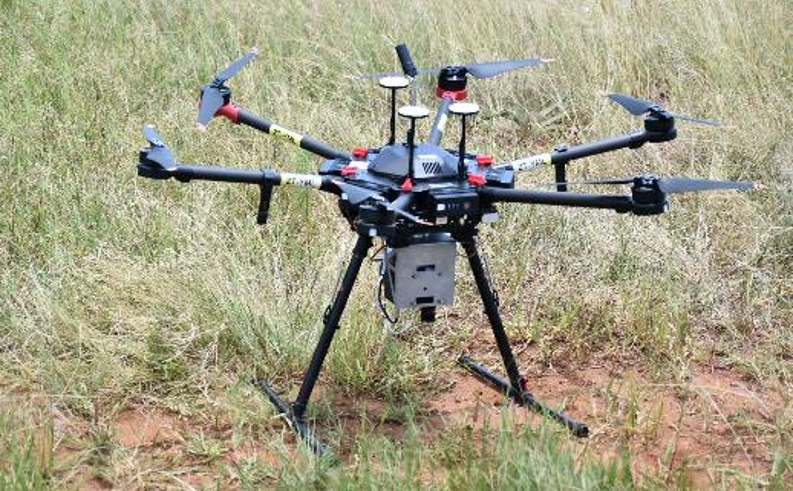
To build a comprehensive picture of ecosystem condition, the research combines traditional field-based surveys with advanced remote sensing technologies. Soil, vegetation and biomass measurements collected along field transects are complemented by drone-based monitoring using hyperspectral imaging, LiDAR and vegetation indices such as NDVI. Together, these approaches provide insights into ecosystem function, carbon sequestration potential, vegetation structure, forage quality, soil moisture and erosion risk, while helping to develop more efficient methods for monitoring restoration outcomes at landscape scale.

Expected Contributions

Join partners, practitioners, and supporters working to restore South Africa’s landscapes.

Close Search Window
↑